Matching an older home
Patterns and tones that complement brick, stone or stucco.
Stamped Concrete · Wauwatosa
Many Wauwatosa homes have real character — brick, stone, stucco, period trim. Stamped concrete lets a patio, front walk or set of steps carry some of that character, with patterns and textures that echo natural stone or brick.
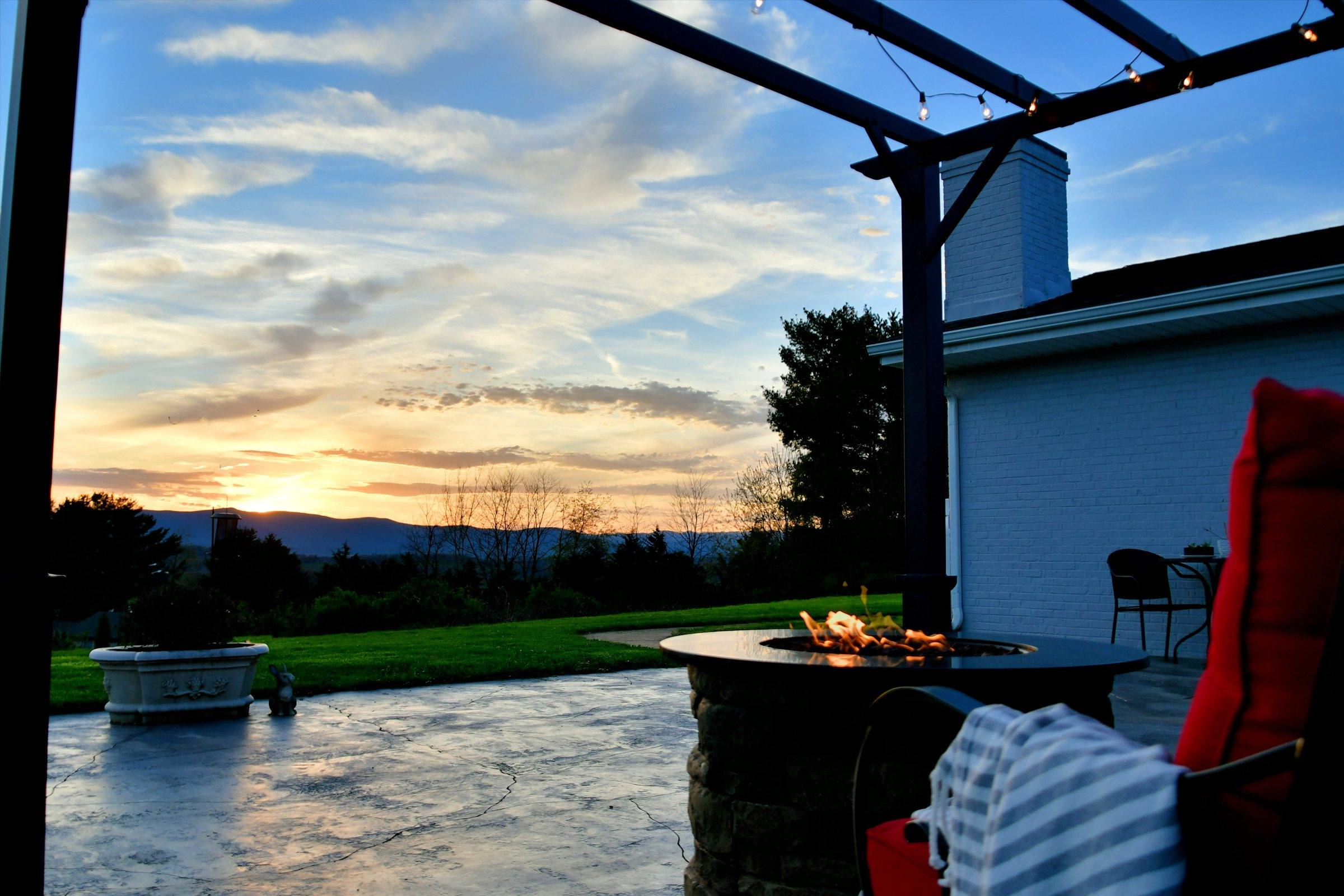
We put stamped finishes on backyard patios, entry walks, front stoops and the trim bands that frame them. Good stamping depends on timing and detail, and on a base built to keep the pattern from cracking apart.
Stamped concrete starts like any slab: excavation, a compacted base, forms. The difference begins after placement. Once the surface reaches the right firmness, textured stamping mats are laid out and pressed in, row after row, and the edges are textured by hand.
Color is usually built up in layers. The concrete itself can be tinted, or color can be worked into the surface. A contrasting release keeps the mats from sticking and leaves darker tones in the recesses, which gives the pattern depth.
Once the slab has had time to cure, we rinse off the leftover release and apply sealer. Sealing deepens the color and protects the finish, and it’s the main maintenance step over the life of the slab.
Common situations
It tends to come up for a handful of reasons.
Patterns and tones that complement brick, stone or stucco.
A continuous surface instead of units to reset and weed.
Pattern breaks up a big expanse of concrete.
Patio, walk and steps tied together with one look.
The process
The base work is standard; the surface work requires careful timing.
We review samples with you, ideally in natural light near the house.
Excavation, base and forms are completed as for any quality slab.
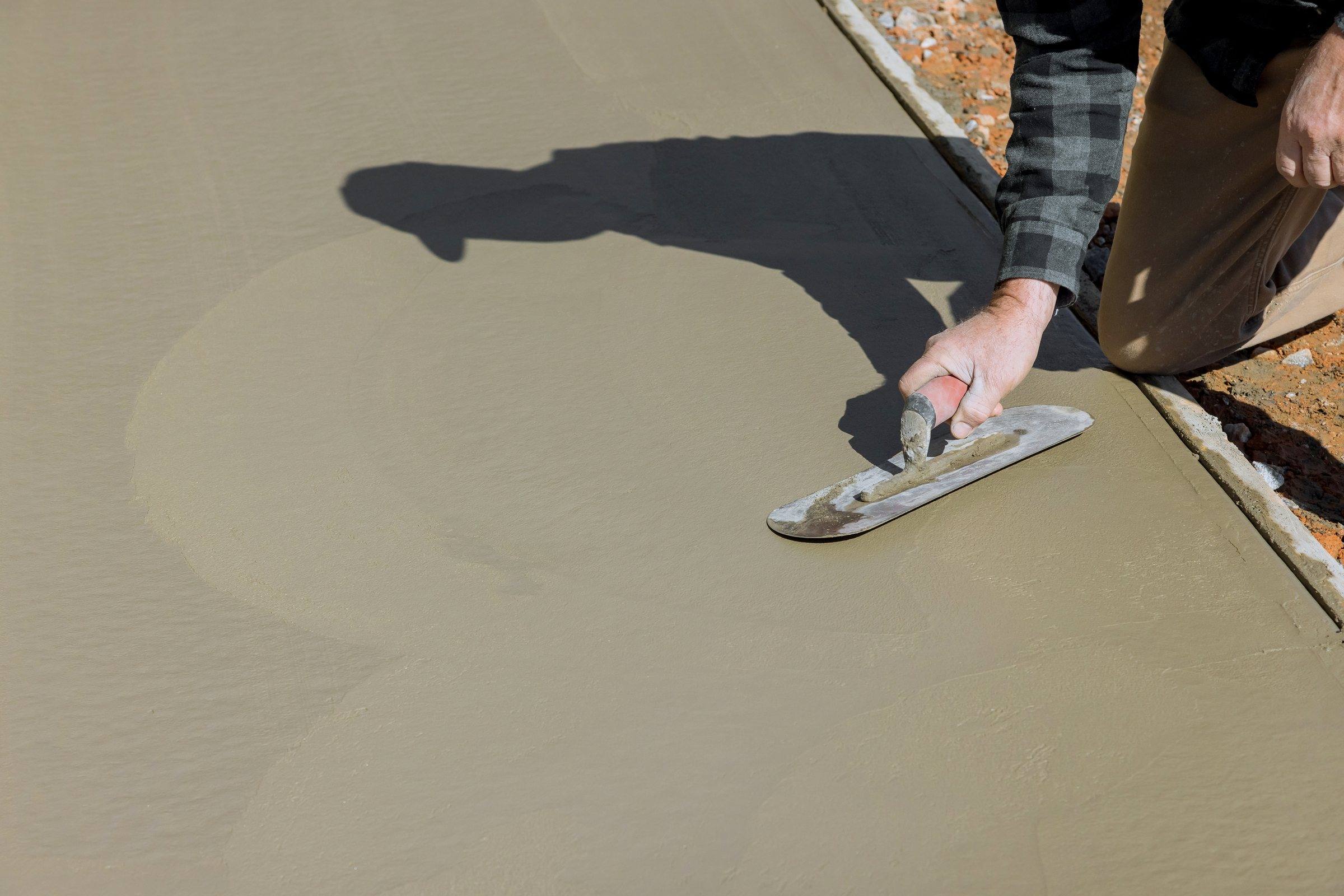
Concrete is poured and leveled; integral color is mixed in if chosen.
While the surface can still take an impression, we broadcast color and the release powder or liquid.
Mats are walked in one after another, then the borders get detailed with hand tools.
Joints are cut, often along pattern lines, then the slab is cleaned and sealed after curing.
Materials & finishes
We start with the look you want and confirm what’s available for your project.
Squared-off stone blocks of different sizes laid in a random bond; a favorite behind older homes.
Irregular, organic textures with a natural feel.
Reads especially well on stoop treads and as a band along a walk.
All the surface character of stone, none of the joint lines — quieter and more modern.
Pattern mats and color stock vary, so we lock in the exact choices together before anything goes on the calendar.
Benefits
Texture and color that suit Tosa’s architecture.
No units to shift or joints to fill with weeds.
Stamp a whole patio or just borders and steps.
A wash each spring and a fresh coat of sealer every couple of years keeps it looking right.
Residential
Patios, entry walks, stoops and landings, pool decks, and patterned trim along a driveway.
Commercial
A patterned entrance for a storefront or office is something we’re glad to look at on site.
Before & after
Slide to compare. This is an illustration; stamped project photos will be added later.


Illustration only — not a photo of a Wauwatosa Elite Concrete project. Genuine project photos will replace it.

Wauwatosa, WI
Sun, snow and deicers all work on the sealer that protects stamped concrete. Resealing on schedule — commonly every two to three years — keeps the color strong and the surface shedding water.
For steps and walks that get wet or icy, we recommend adding a slip-resistant additive to the sealer.
FAQ
Sealed stamped concrete can be smoother than broom-finished concrete. On walks and stoops we suggest a gritted sealer and a pattern with more relief so feet don’t slide.
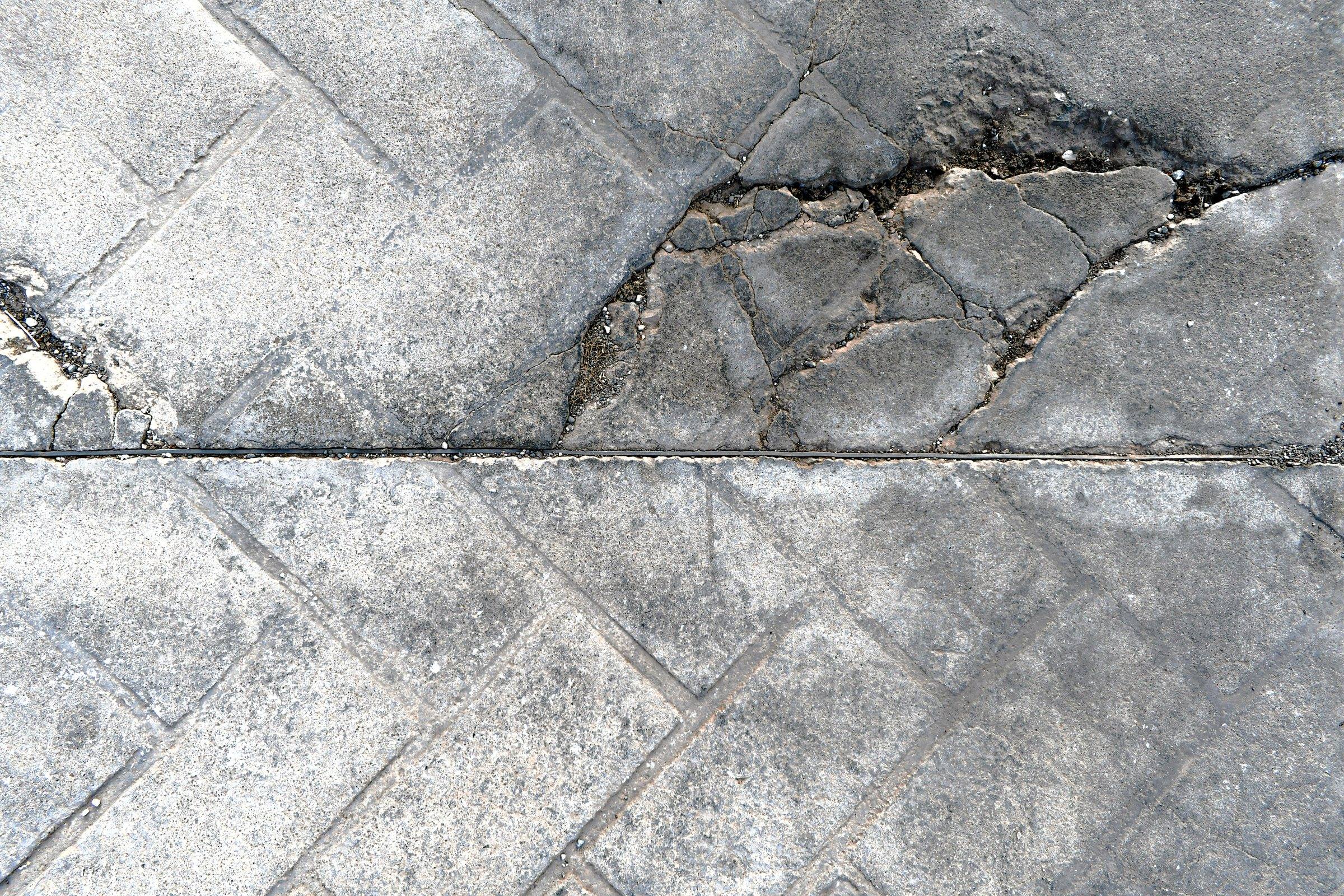
Control joints, often hidden in pattern lines, guide cracking. If a crack does appear, it can sometimes be sealed and color-blended, though repairs are rarely invisible.
Every two to three years is typical, depending on sun and traffic.
Avoid rock salt. Reach for sand or a deicer labeled safe for concrete, and shovel before snow packs down.
Yes. Stamped steps and landings are common, especially paired with a stamped walk or patio.
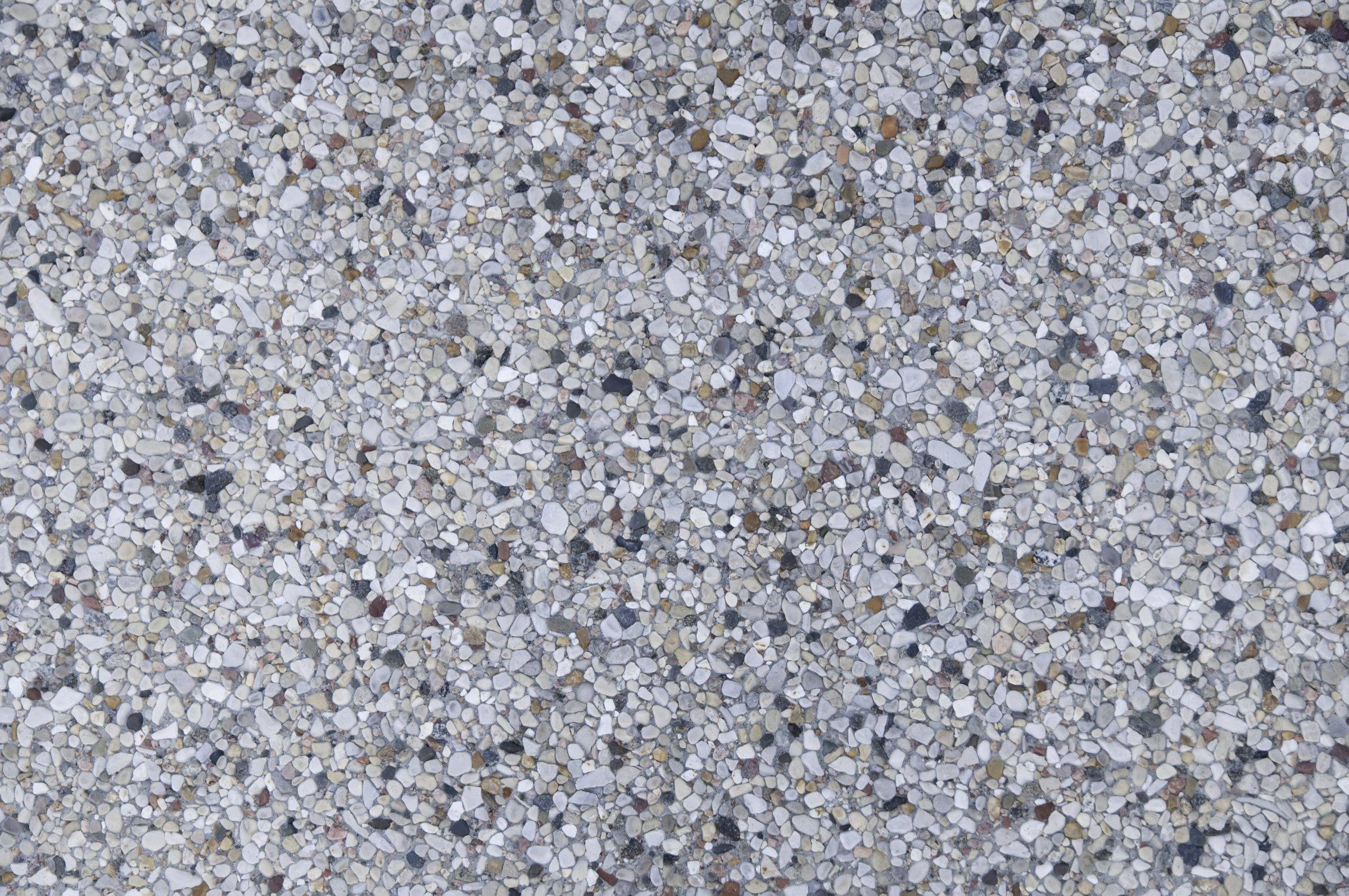
Exposed aggregate, color, borders and saw-cut details that let concrete suit the house.
Backyard patios planned around dinners, fire pits and quiet mornings — finished plain, colored or stamped.
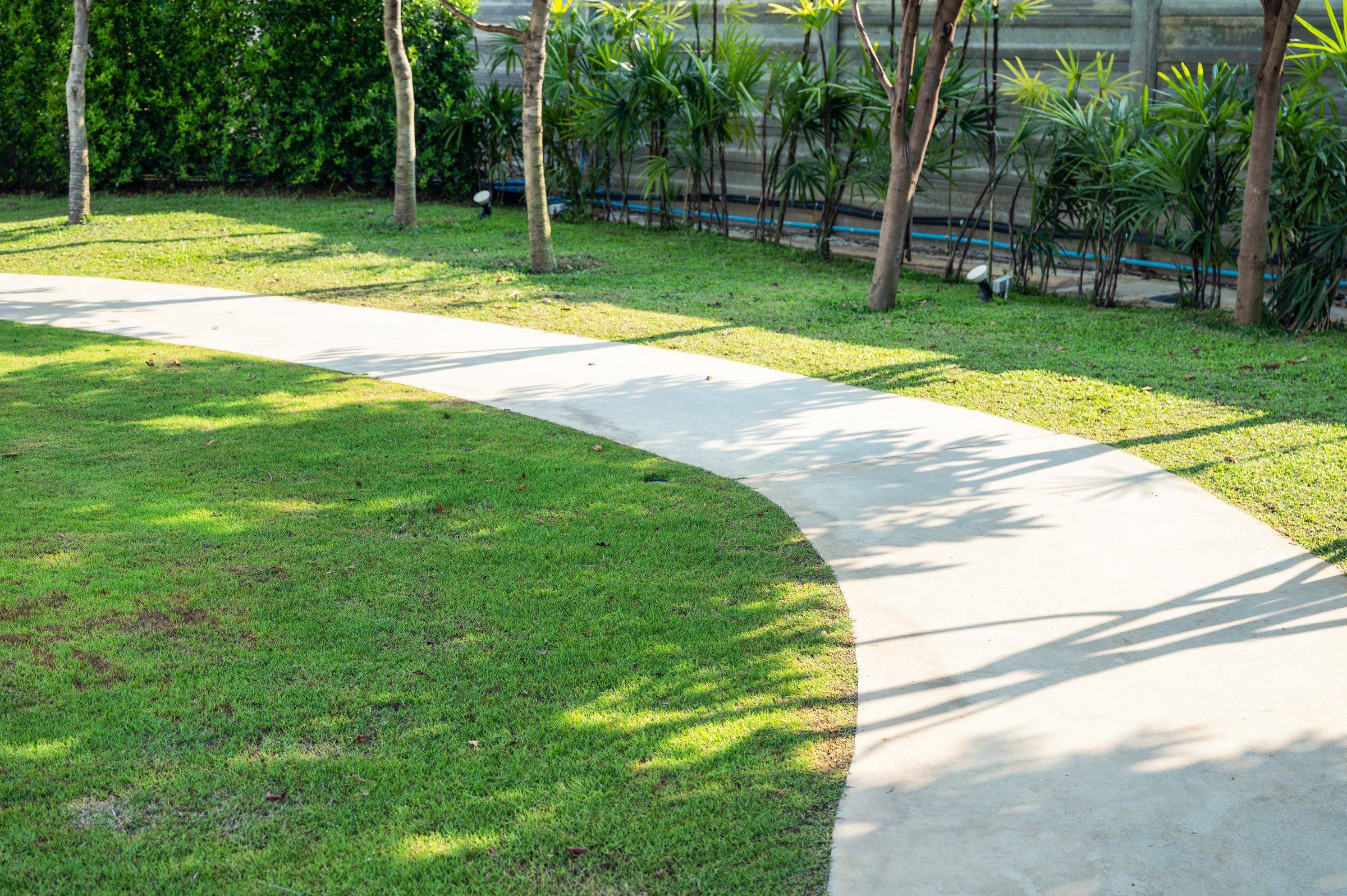
Entry walks, garden paths and routes to the garage — with steps and landings where the yard slopes.
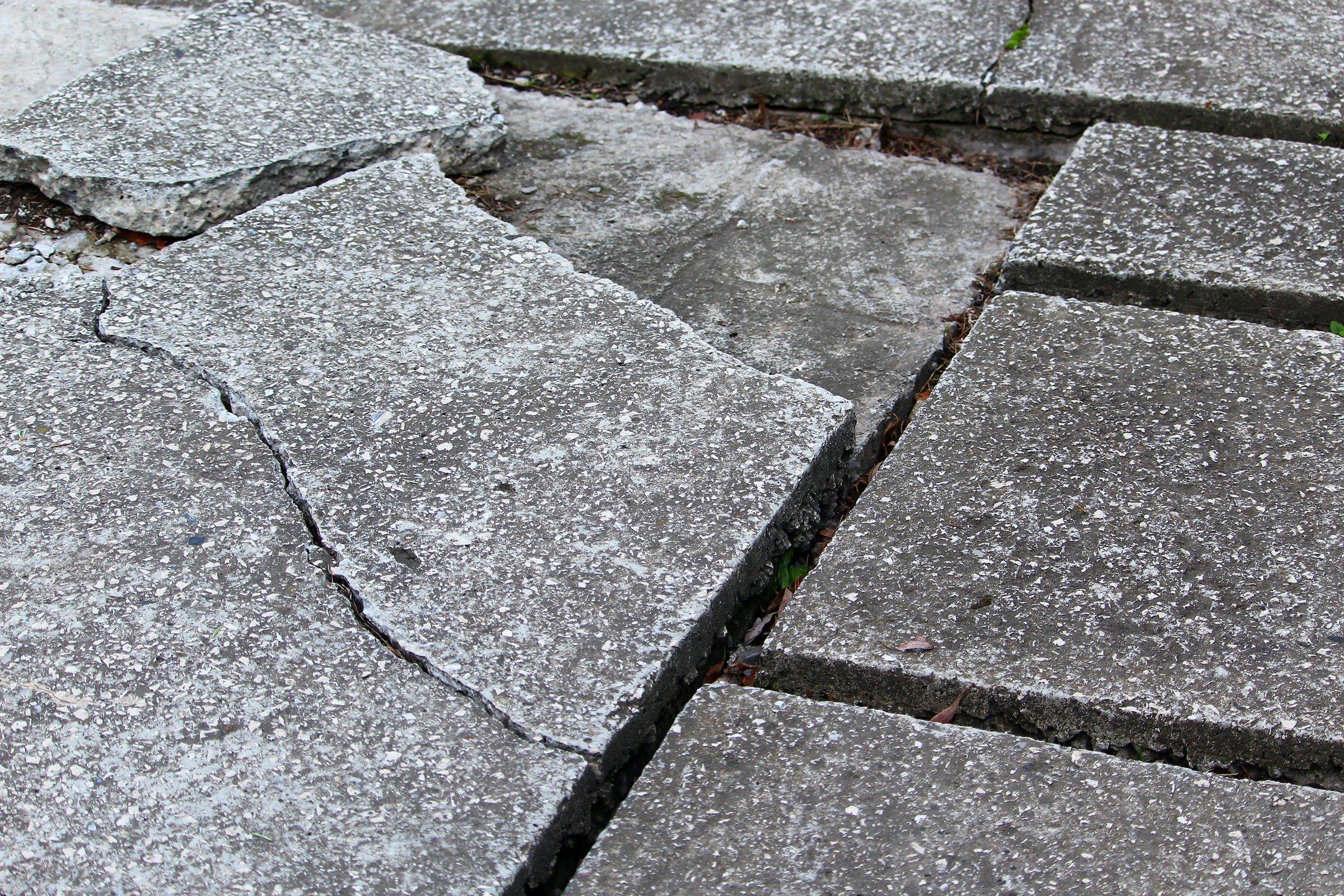
Repairs for cracks, flaking surfaces and broken steps — after an honest look at the cause.
Free estimates · Wauwatosa
Send a short description and a few photos of your stamped concrete project. We’ll follow up, visit, and put the scope in writing.