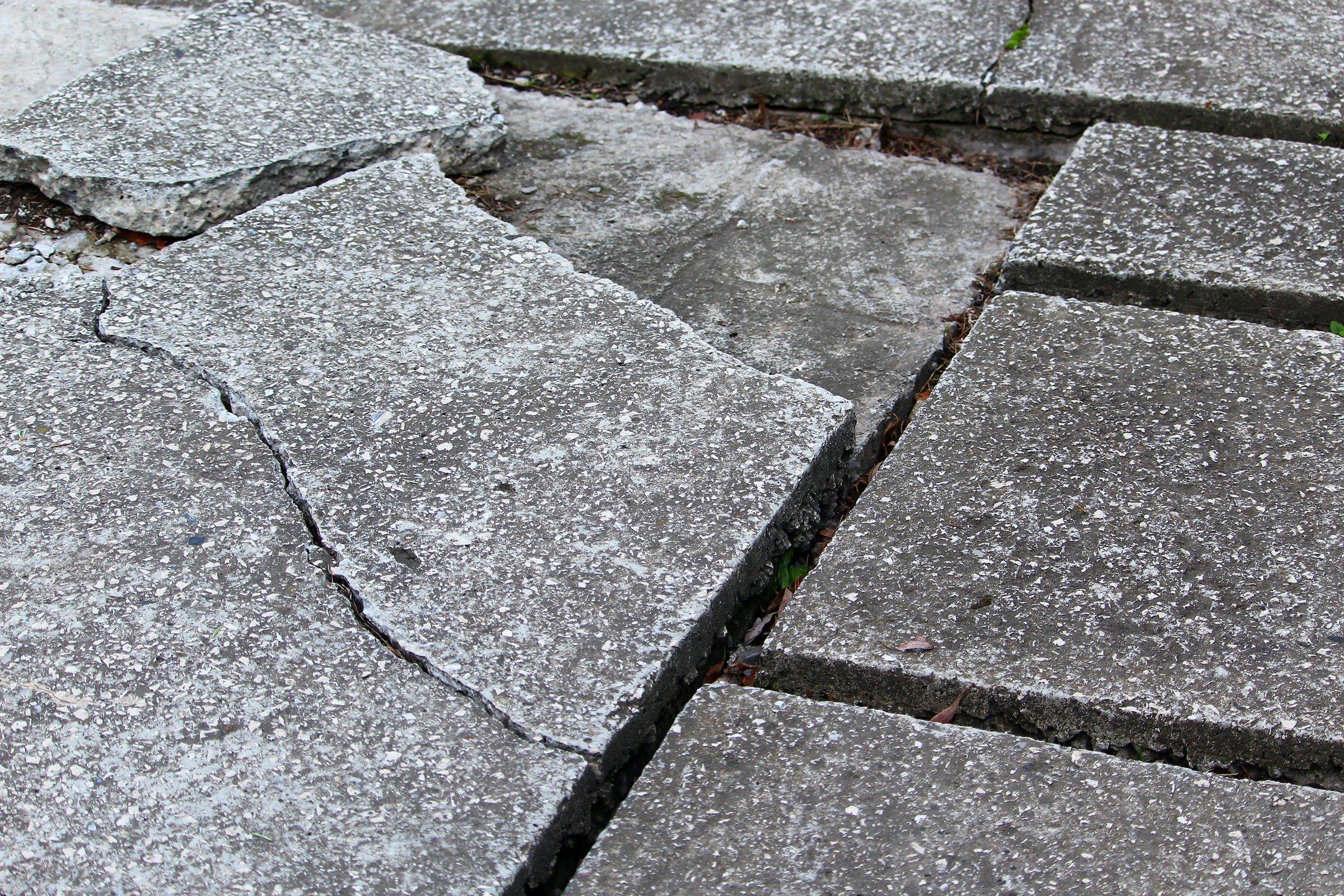
Root-heaved slabs
Mature trees are part of Tosa’s charm, but their roots can lift and crack a driveway over the years.
Driveways · Wauwatosa
Wauwatosa’s housing stock is wonderfully mixed. One street has a 1920s bungalow with a slim driveway squeezed between houses; the next has a ranch with a broad two-car approach. A new concrete driveway has to suit the house it serves, and it has to survive the same hard winters either way.
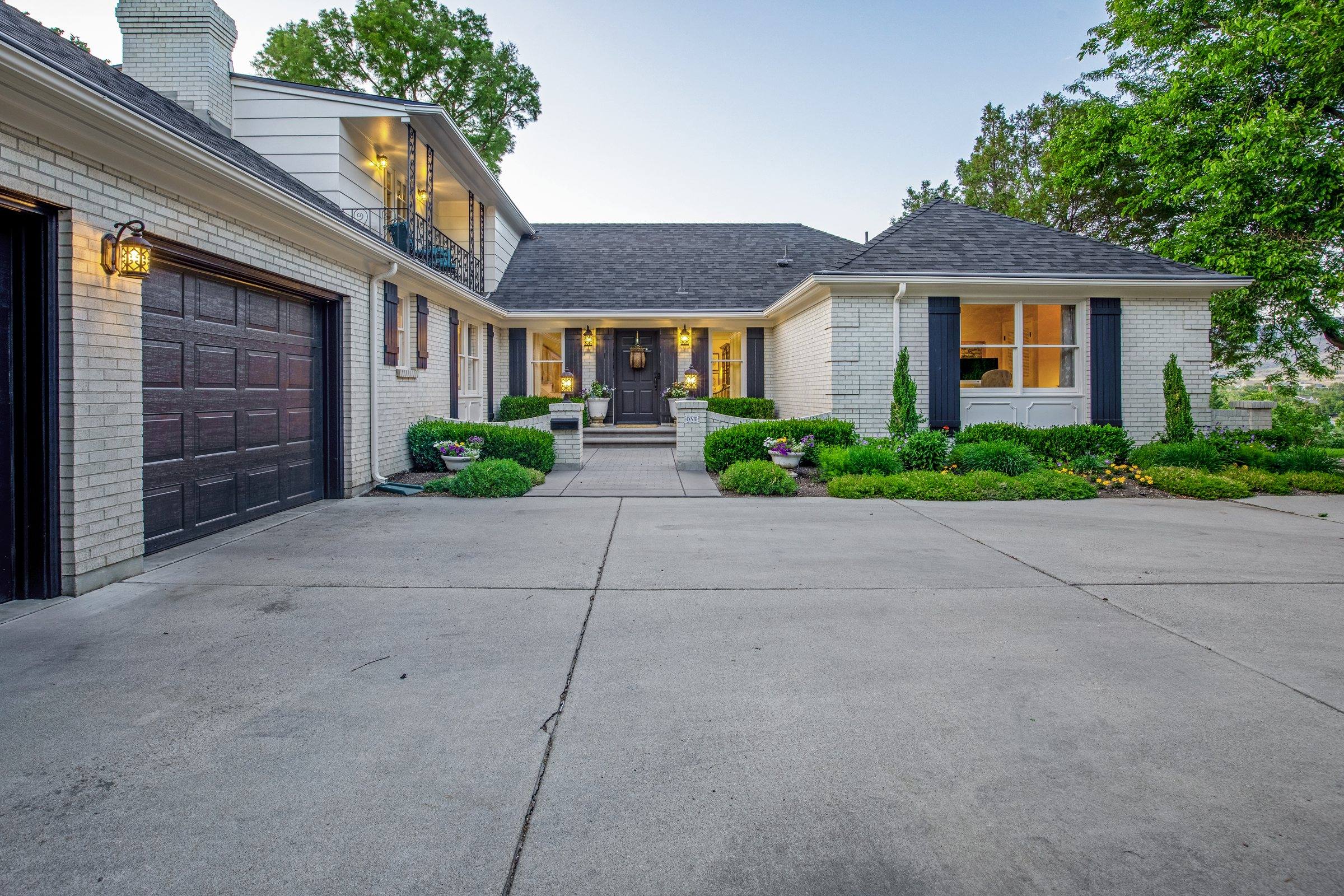
Wauwatosa Elite Concrete builds new driveways and replaces worn ones throughout Wauwatosa. We start with the shape of the lot, the condition of what’s there, and how your household actually uses the space, then build up from a properly prepared base.
Older Tosa lots often come with constraints: a narrow side yard, a detached garage set toward the back, a neighbor’s foundation close by, or mature trees whose roots have been lifting the old slab for years. Those details shape the width, the route and where water can be sent when it runs off.
On newer lots the questions are usually about size and style. Do you need room to park three cars without shuffling them? Is a turnaround worth adding so nobody has to back onto a busy street? Would a decorative border make a big gray slab feel more at home with the house?
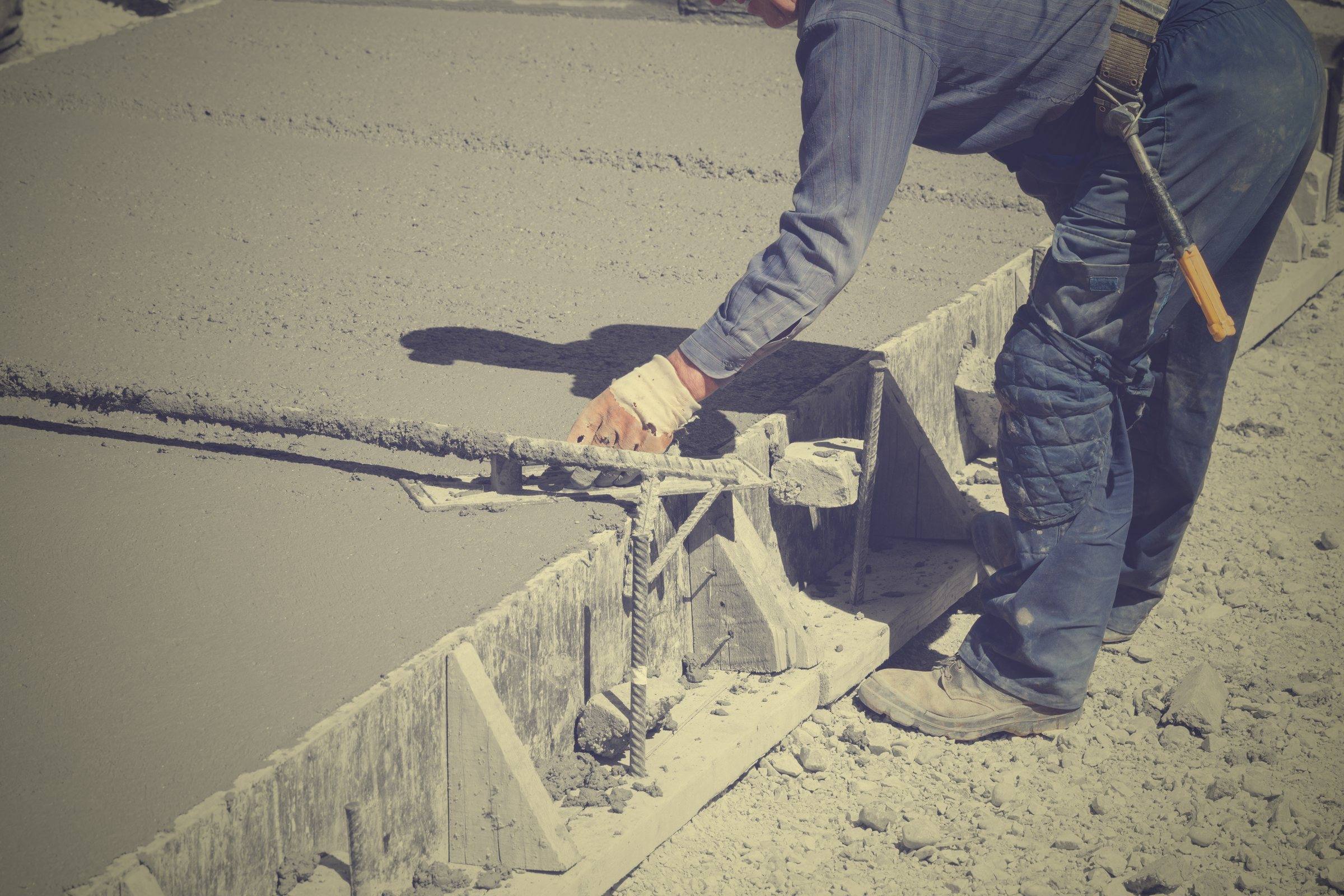
Whatever the layout, the work below grade doesn’t change much. The old surface comes out, unsuitable soil is removed, and a compacted granular base goes in. Slopes are set so meltwater moves toward the street or the yard, never toward the garage or basement.
Common situations
Most driveway calls start with one of these.
Mature trees are part of Tosa’s charm, but their roots can lift and crack a driveway over the years.
Settled concrete at the garage apron collects water and creates an ice patch right where you step out of the car.
Freeze–thaw cycles and road salt carried in on tires can strip the top layer of older concrete.
Driveways built for one small car decades ago struggle with modern SUVs and two-driver households.
Years of patches in different colors and textures make the front of a house look tired.
The process
Here is the order of operations for a typical driveway. Tight sites and detached garages can add steps, which we’ll explain up front.
We measure, note the garage and street elevations, look at trees and drainage, and talk through width and finish.
Slopes, joint locations and any widening or turnaround are sketched before demolition starts.
The existing surface is broken up and hauled off, protecting lawns, beds and neighboring property.
We dig past anything soft, then bring in crushed stone and pack it firm so the new driveway has nowhere to sink.
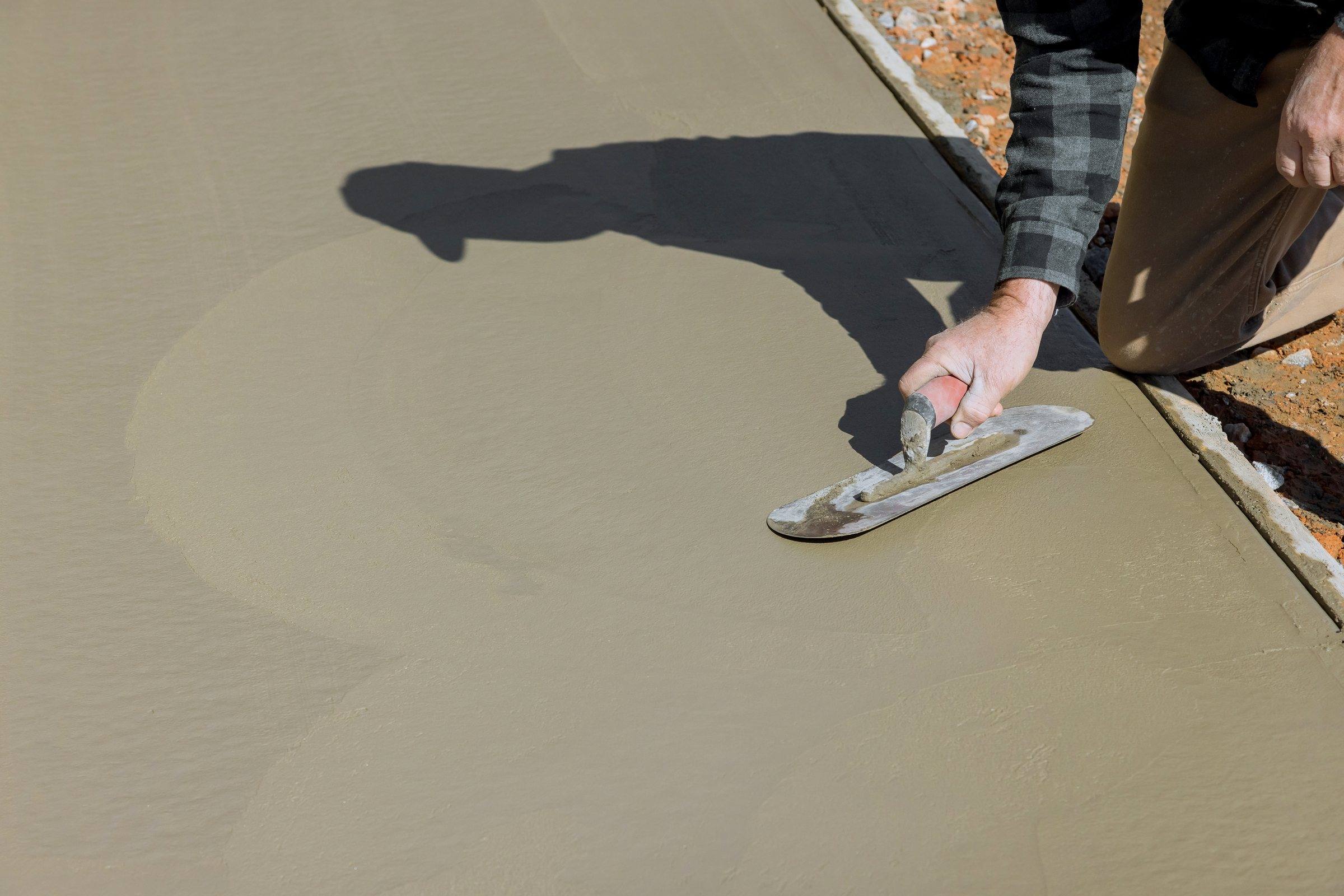
Forms and any reinforcement are set, concrete is placed and finished, and edges and joints are tooled.
The driveway cures before it carries vehicles, and you receive clear timing and care instructions.
Materials & finishes
Function comes first on a driveway, but there is room to match the character of the house.
Durable and slip-resistant — a good fit for nearly any Wauwatosa home.
A contrasting edge along the drive can echo brick, stone or trim on older homes.
A pebbled, natural-looking surface that hides wear and offers good grip.
A stamped or textured section at the street gives the entry a finished look without decorating the whole slab.
We’ll talk through which decorative touches are available when we come out.
Benefits
On a well-prepared base, a concrete driveway resists rutting and holds its shape.
No annual resealing like asphalt; sweep, rinse and seal occasionally.
Clean lines suit everything from Tudor revivals to mid-century ranches.
Replacement is the moment to fix width, drainage and awkward turns.
Residential
Full driveway replacements, widenings, parking pads, turnarounds and driveways to detached garages.
Commercial
Entrance aprons and drive lanes at smaller commercial properties, considered case by case.
Before & after
Slide to compare. This is an illustration; photos from actual projects will replace it.
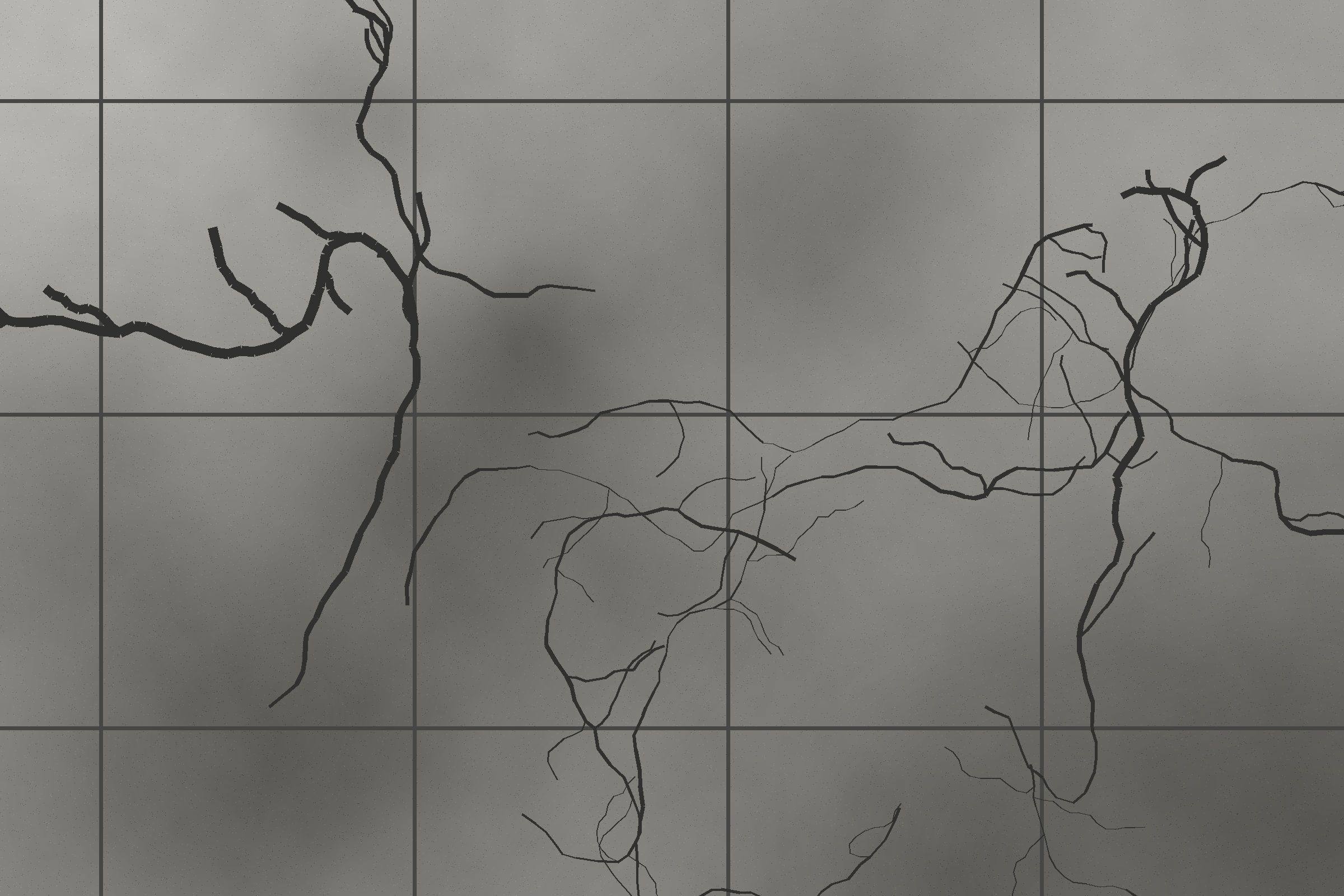

Illustration only — not a photo of a Wauwatosa Elite Concrete project. Genuine project photos will replace it.
Wauwatosa, WI
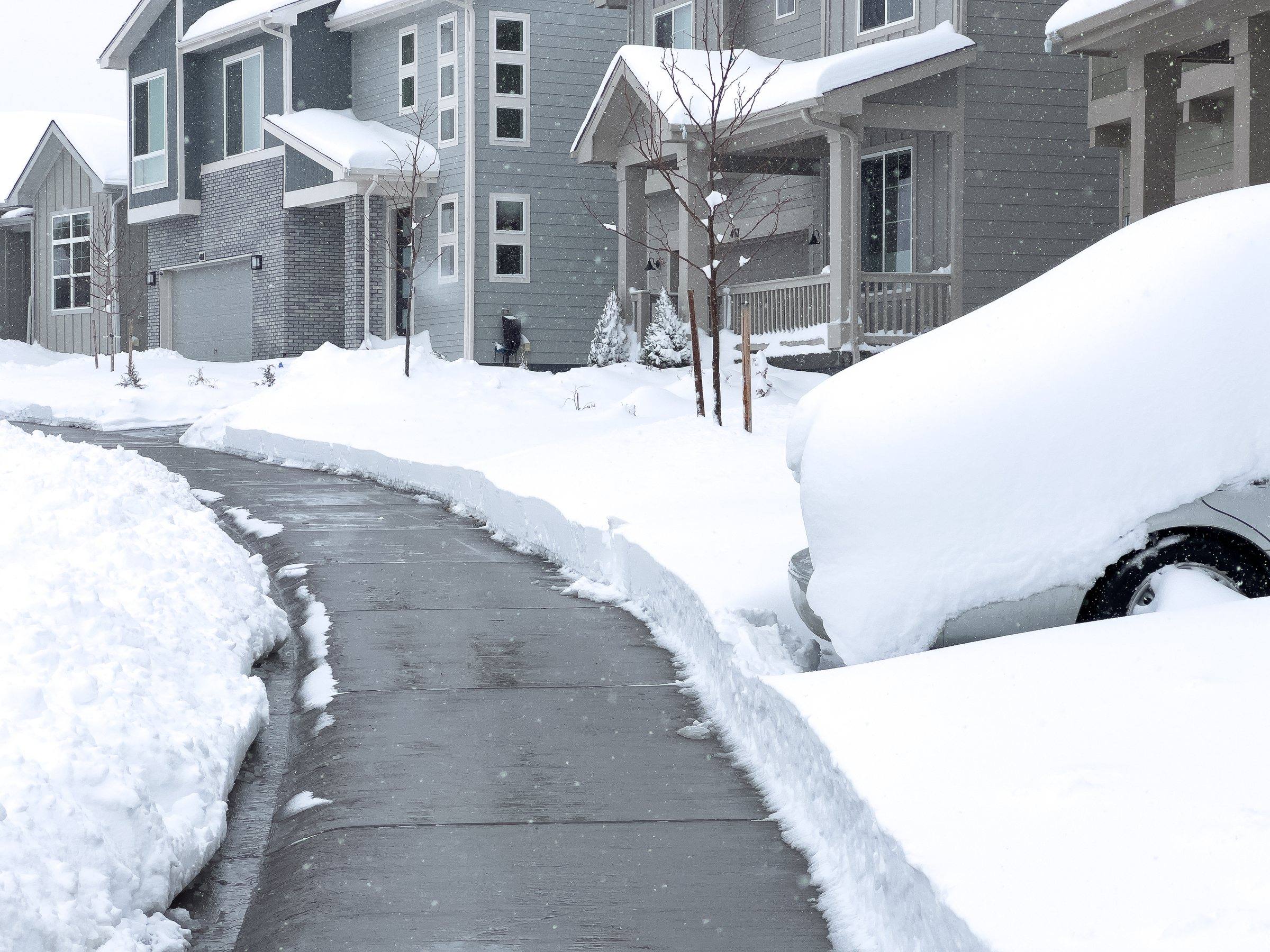
From January cold snaps to humid July afternoons, concrete in Wauwatosa sees a wide range of temperatures. Winter is the hardest stretch: water works into the surface, freezes, expands and thaws again, over and over until spring.
That’s why we pay close attention to drainage and base, and why we talk about care after the pour — keeping rock salt off new concrete, clearing snow promptly, and sealing once the slab has cured.
FAQ
Give it roughly a week before parking on it, and more time for anything heavy like a work truck. Walking on it is generally fine a day or two after the pour. Weather affects all of this, so we’ll give you dates for your job.
It can mean a longer slab and tighter access for equipment, but it’s very common in Wauwatosa. We plan the work and the joint layout around it.
Often, yes. We look at where the roots are and how the slab can be routed or prepared to reduce future lifting. Sometimes an arborist’s advice is worth getting too.
Changes to the apron, curb cut or public sidewalk usually involve the City of Wauwatosa. We’ll point out anything that may need approval before the project is scheduled.
A penetrating sealer, applied after the concrete cures, helps it resist water and deicers. We’ll recommend timing and product type for your finish.
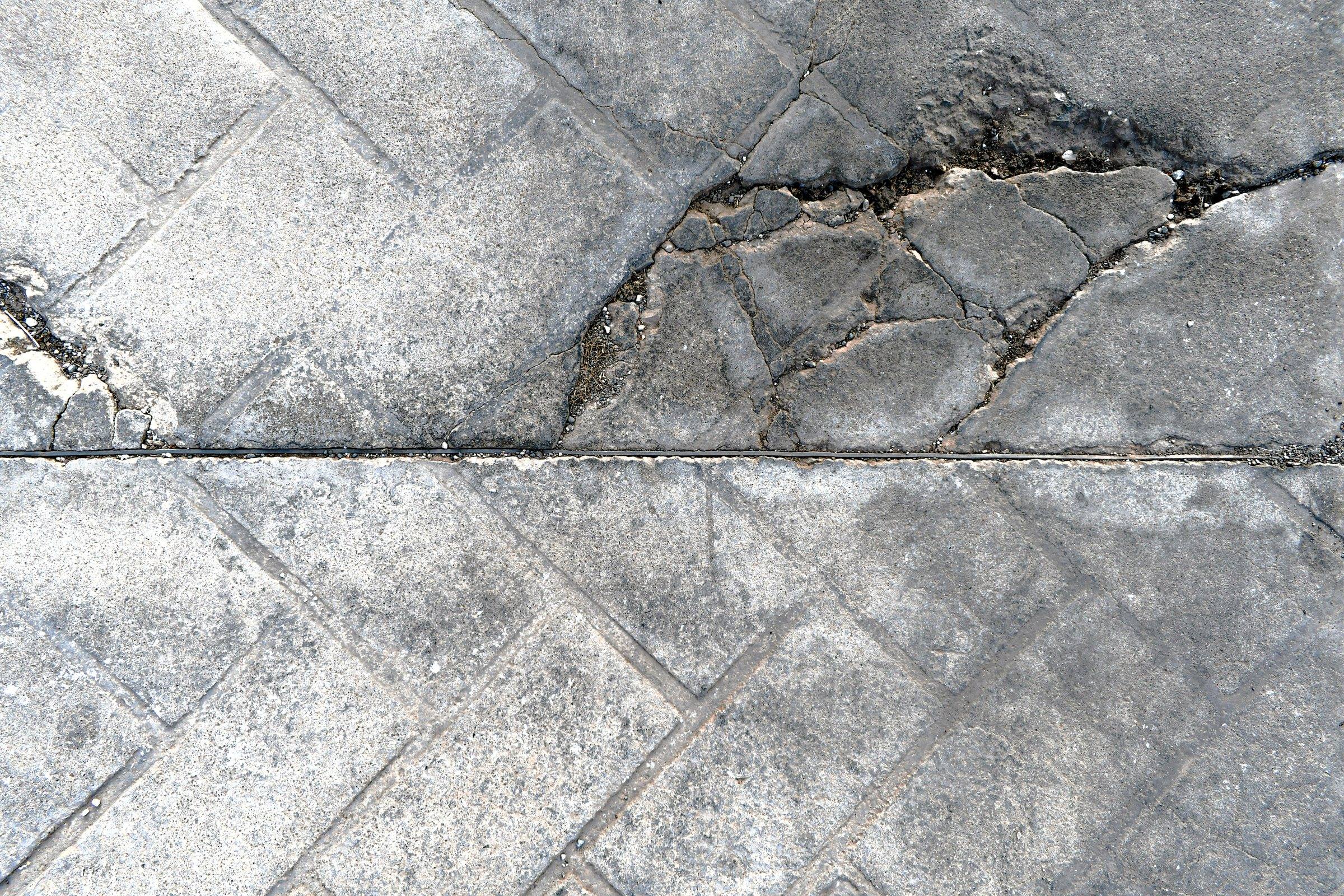
Out with the failing concrete, fix what caused it, and pour a slab that starts fresh.
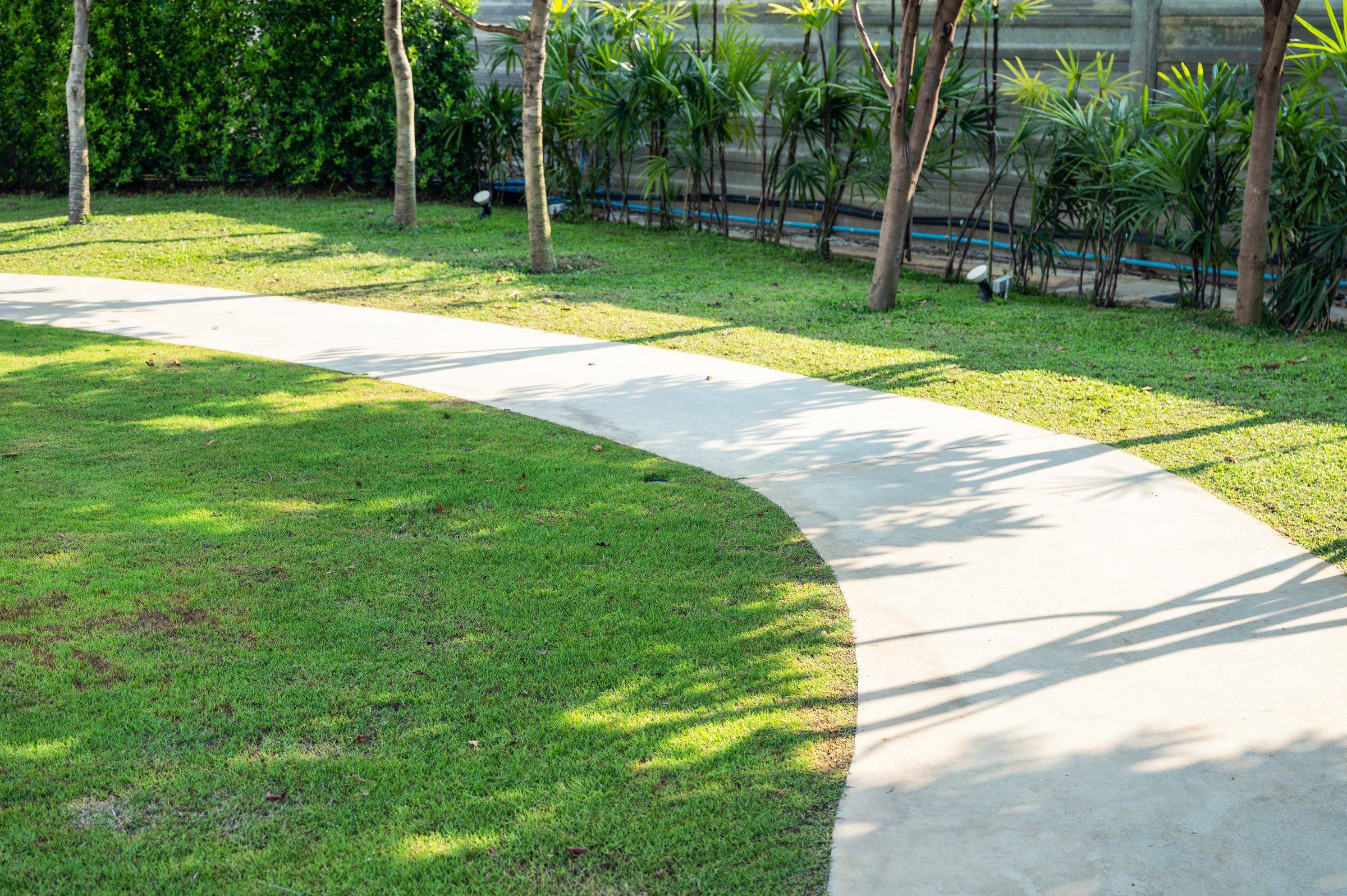
Entry walks, garden paths and routes to the garage — with steps and landings where the yard slopes.
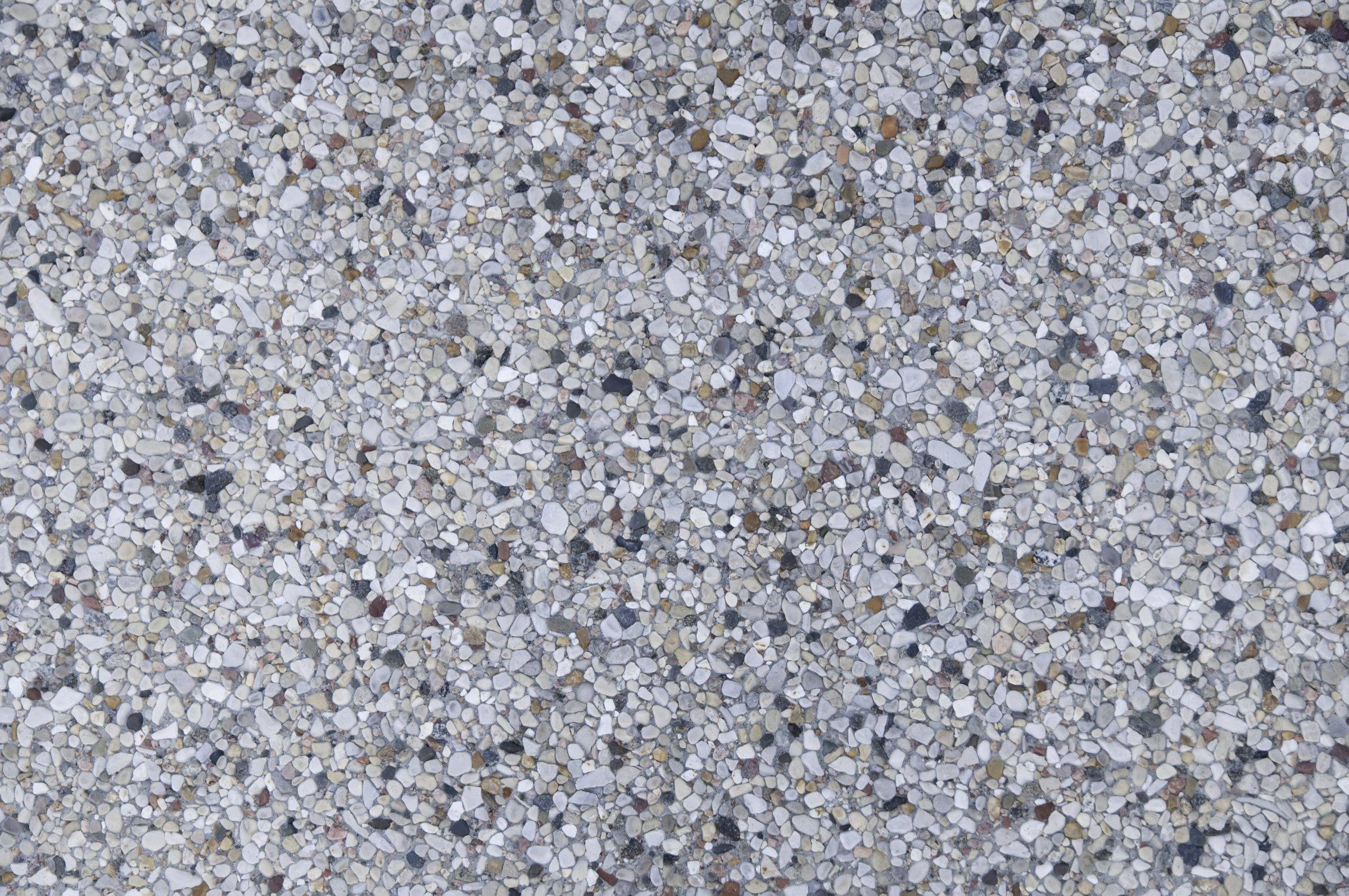
Exposed aggregate, color, borders and saw-cut details that let concrete suit the house.
Repairs for cracks, flaking surfaces and broken steps — after an honest look at the cause.
Free estimates · Wauwatosa
Send a short description and a few photos of your concrete driveway installation project. We’ll follow up, visit, and put the scope in writing.