Cracks
Anything from a faint spiderweb to a gap wide enough for grass to grow in.
Repair · Wauwatosa
Older concrete is everywhere in Wauwatosa — front steps that have been climbed for decades, walks lifted by tree roots, driveways patched more than once. Some of it can be repaired and kept in service; some of it is past the point where repairs make sense.
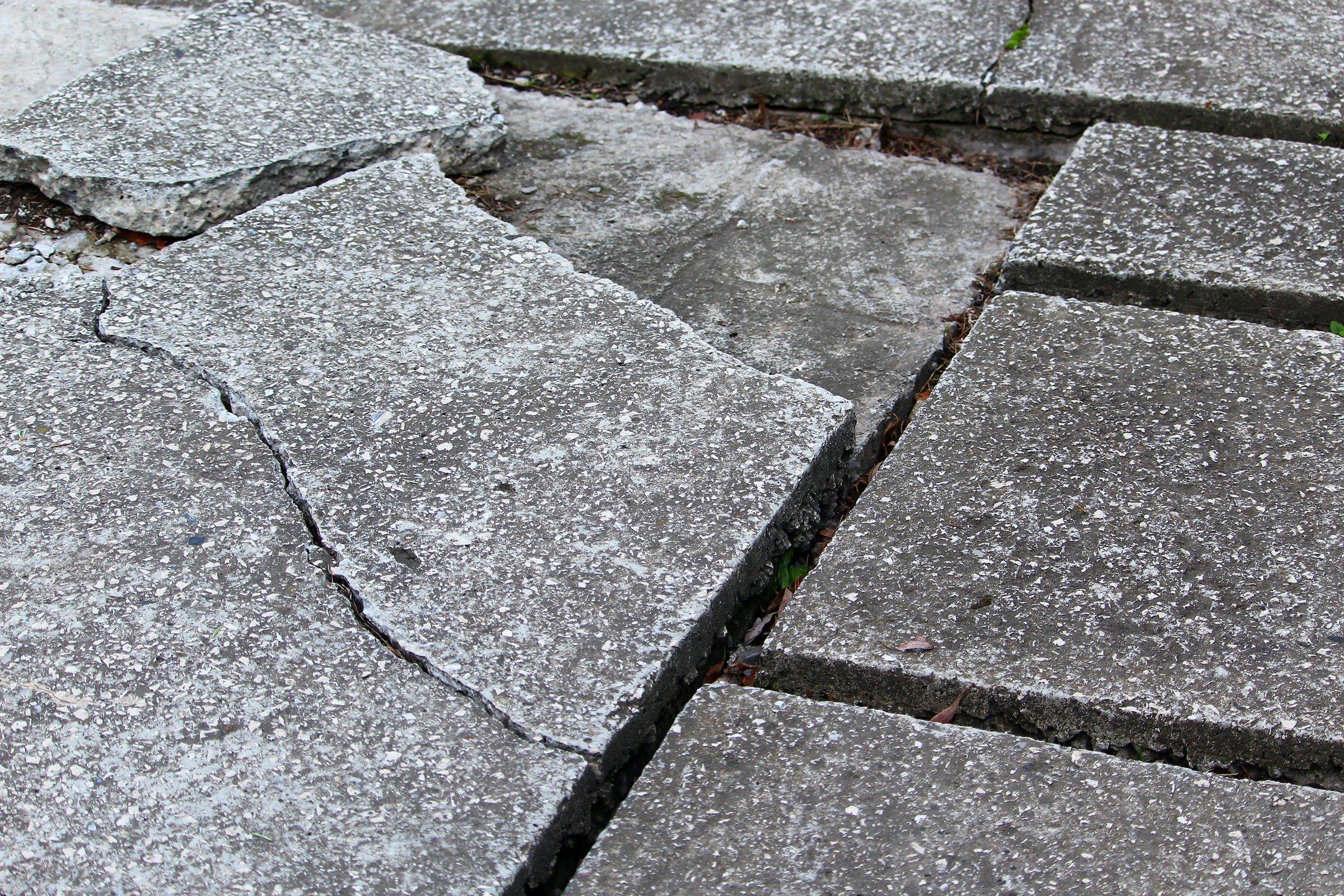
Wauwatosa Elite Concrete looks at damaged concrete with one question in mind: what caused this? The answer determines whether a repair will last or whether you would be paying for a temporary fix.
Different kinds of damage leave different signs. Fine surface cracks are often from shrinkage. Flaking and pitting usually trace back to freeze–thaw and salt. Broken corners suggest impact. Cracks that open wider each spring, or panels that rock and tilt, point to movement in the ground below.
During a visit we check crack width and pattern, level across joints, how the slab sounds and moves, drainage around it, and its overall age and condition.
Then you get our honest take. If repair is reasonable, we’ll explain what it will do, how long it’s likely to hold up, and how visible it may be. If replacement is the better value, we’ll tell you why.
Common situations
The most common repair requests in Wauwatosa include:
Anything from a faint spiderweb to a gap wide enough for grass to grow in.
Scaling or pitting on walks, steps and driveways.
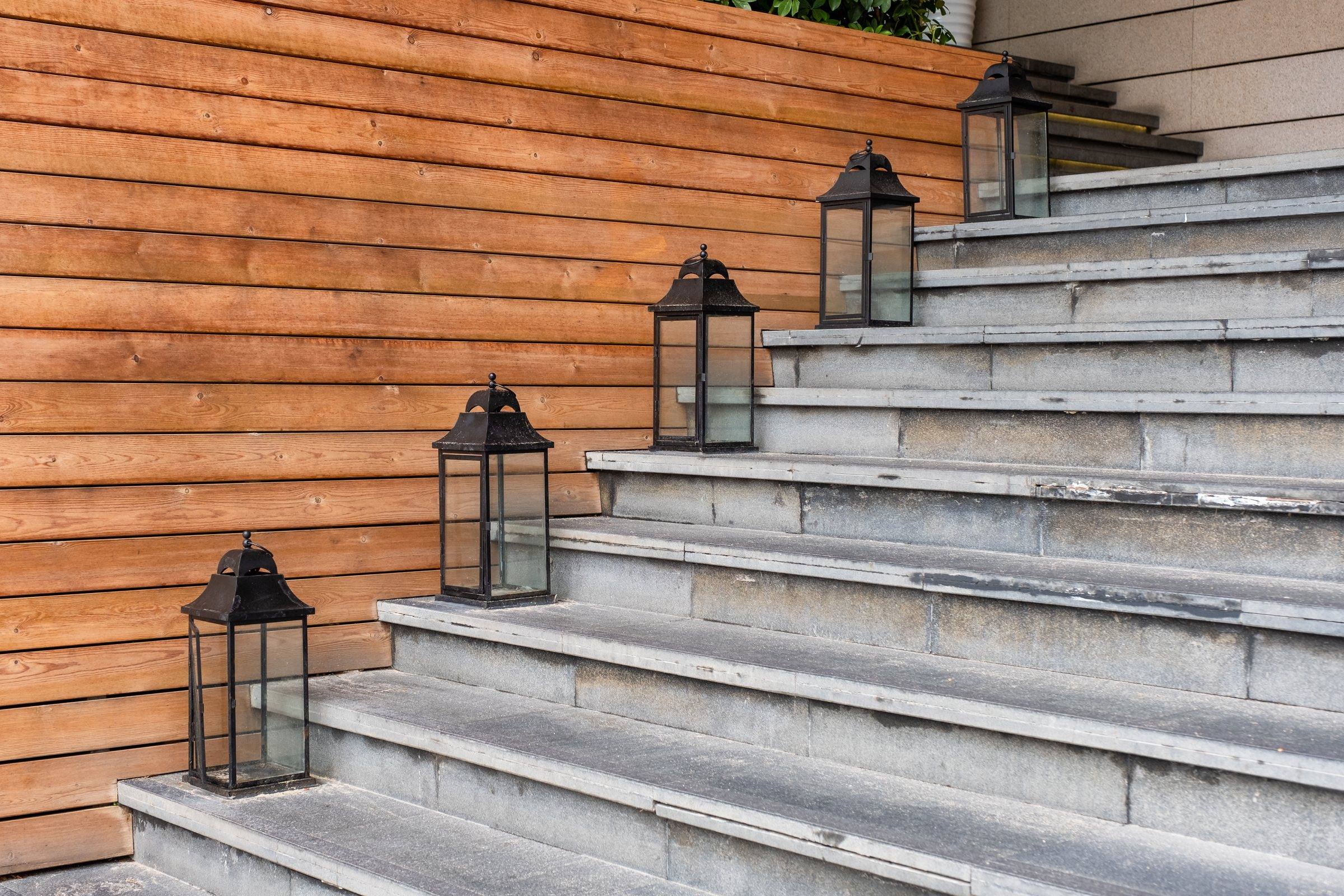
Chipped noses and crumbling treads on front and back steps.
Panels moved by roots or settling soil.
Corners broken by plows, vehicles or impacts.
Joints letting water get under the slab.
The process
Every repair follows the same basic path.
We look at the damage, the surrounding concrete and drainage.
Repair, partial replacement or full replacement — with the reasoning for each.
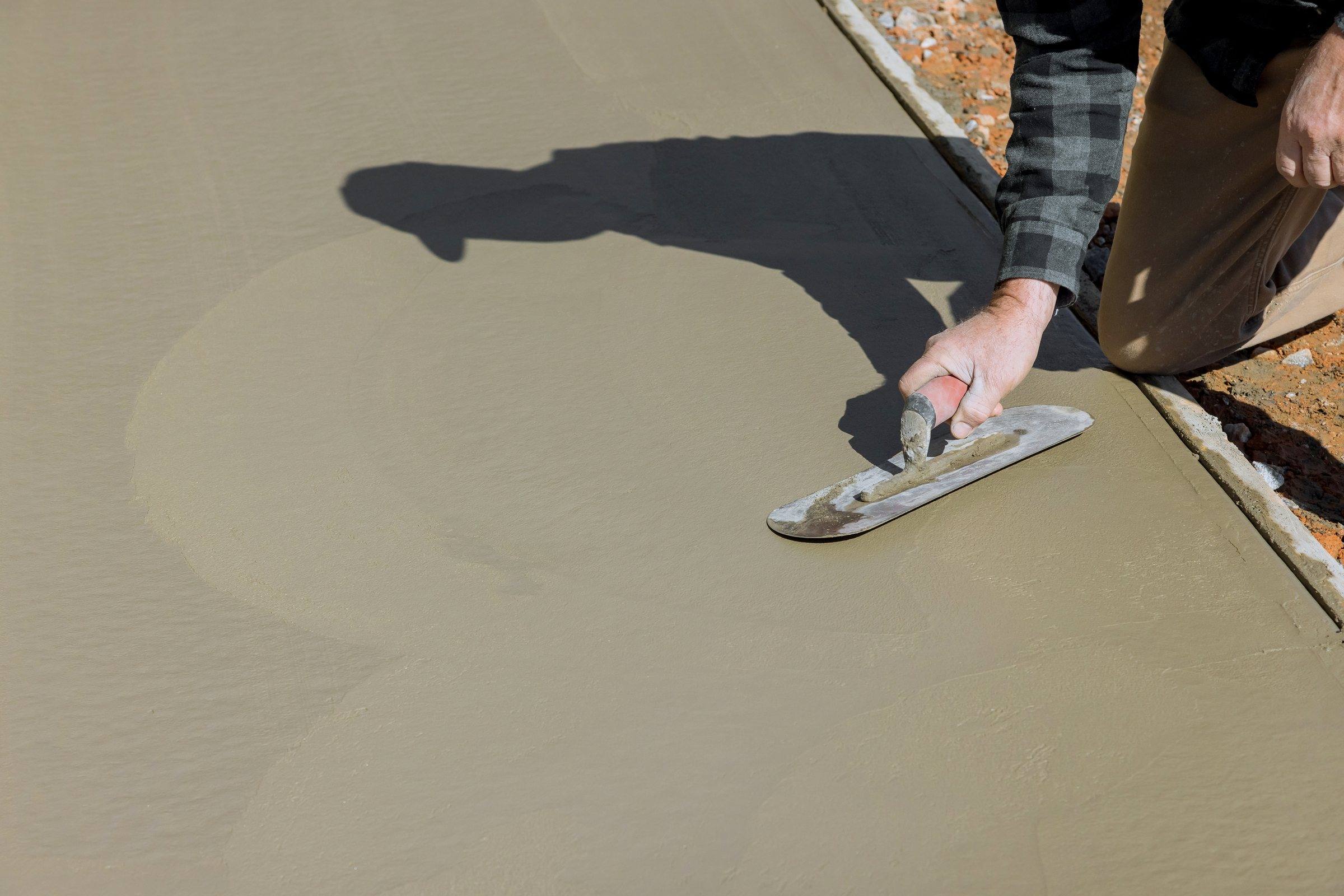
We chip away anything loose and scrub the area so the repair has something solid to grab.
The appropriate method is applied, from crack sealing to section replacement.
The repair is finished to match surrounding texture as closely as possible.
You get guidance on preventing the problem from returning.
Materials & finishes
The right method depends on the cause and condition:
Keeps water out of cracks that are no longer moving.
Rebuilds localized damage, broken edges and step noses.
Removes damaged sections at the joints and pours new ones.
Limits water getting under the slab through open joints.
Concrete that supports a building, or that may be structurally compromised, can require an engineer’s evaluation. If we think your situation needs one, we’ll say so up front.
Benefits
Localized fixes cost less than full replacement.
Smaller work areas mean less disruption.
Keeping water out slows further deterioration.
Fixing broken edges and trip hazards reduces falls.
Residential
Stoops, steps, walks, patios and driveways with cracking, flaking or broken corners.
Commercial
Damaged walks and entries at commercial buildings, looked at in person.
Before & after
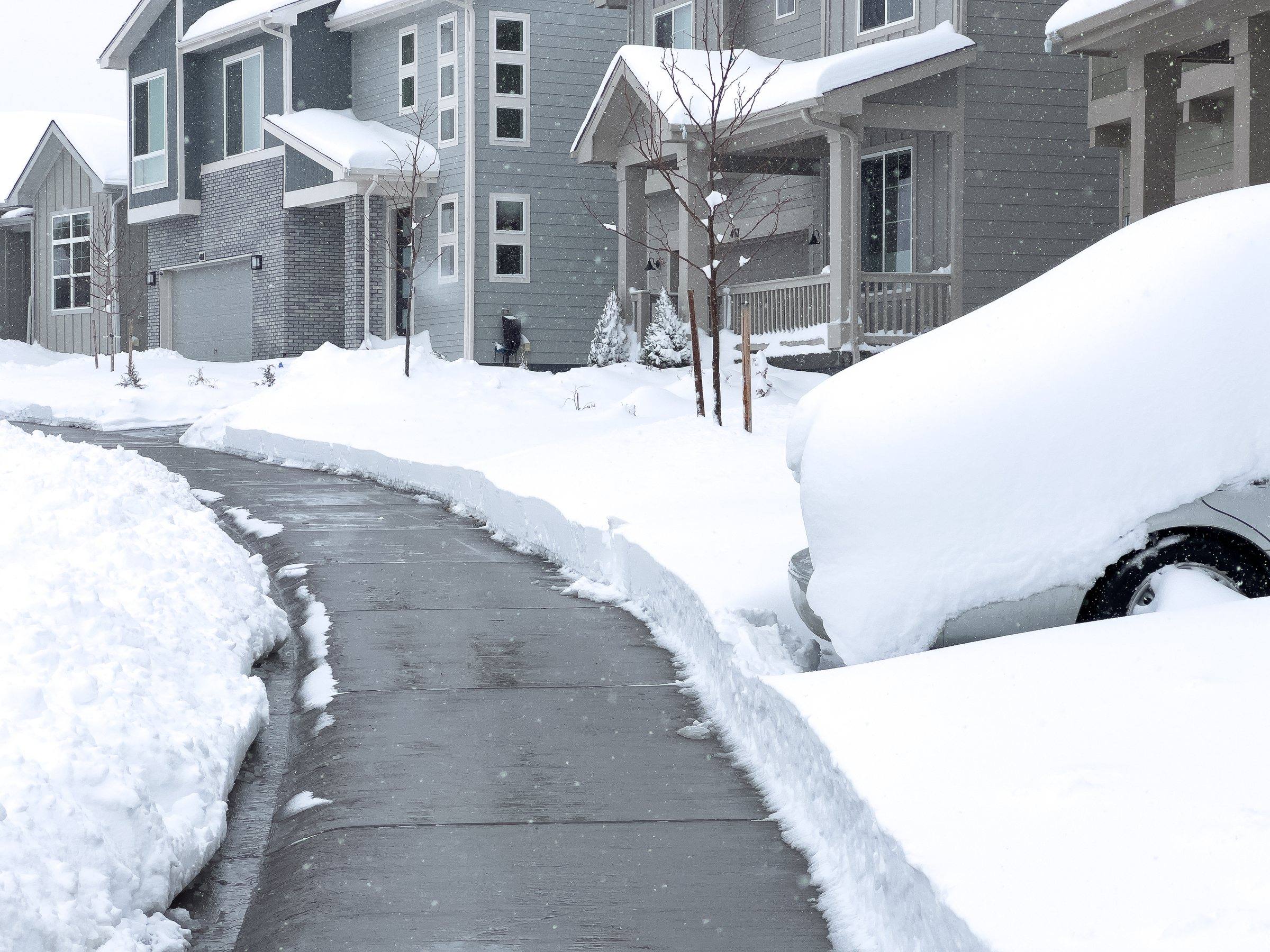
Slide to compare. This illustration stands in for real repair photos.
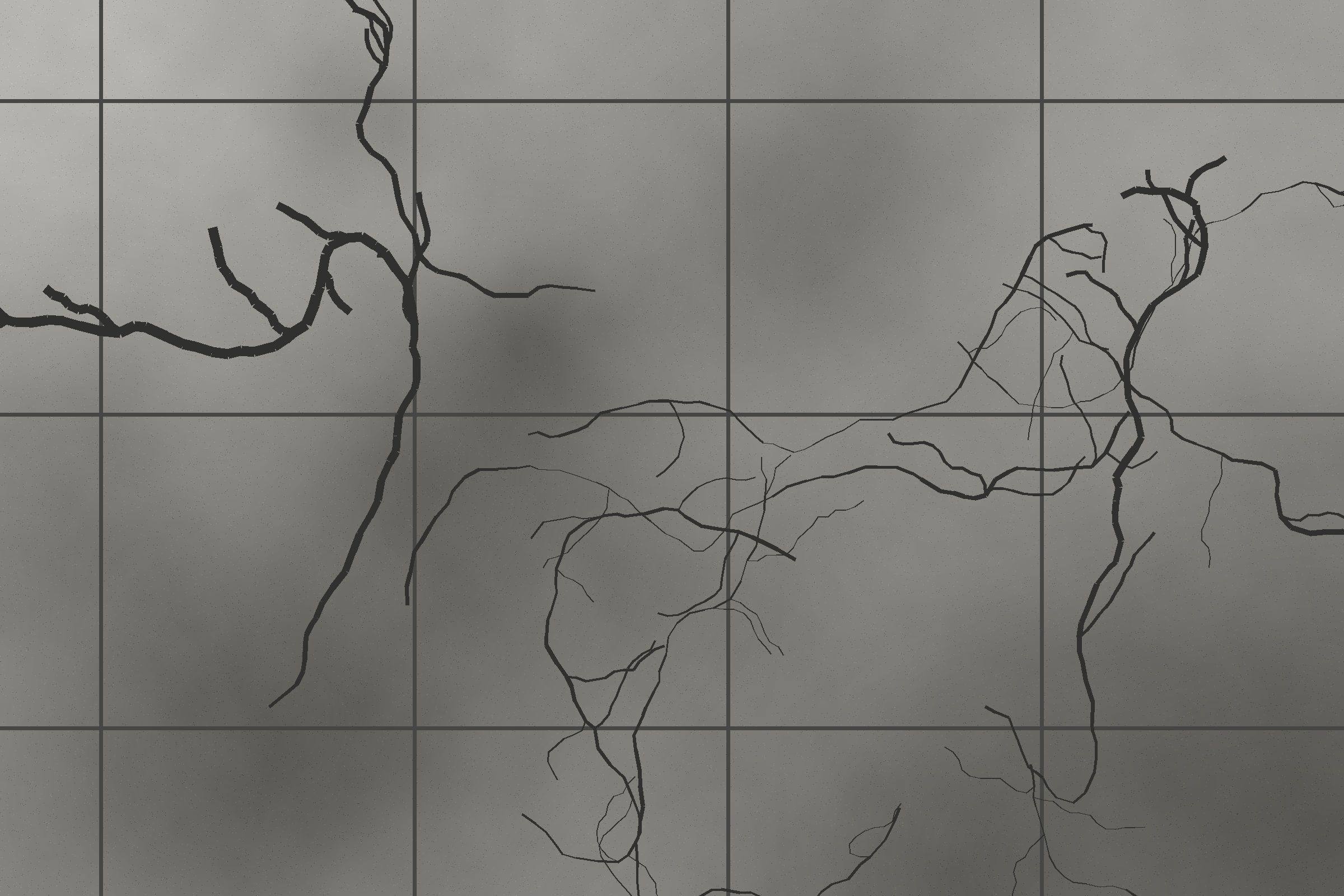

Illustration only — not a photo of a Wauwatosa Elite Concrete project. Genuine project photos will replace it.
Wauwatosa, WI
Water, cold and salt are the main culprits. Moisture soaks in, turns to ice, pries the concrete apart a little, melts, and does it all again — dozens of times a season. Add road and sidewalk salt, and the top layer gives up even faster.
Tree roots are another frequent cause in older Wauwatosa neighborhoods. When roots are lifting concrete, we’ll talk through whether a repair will hold or whether a section should be rebuilt.
FAQ
Often, yes — broken noses and surface damage can be repaired. If the steps have shifted or the structure is failing, replacement may be the better option.
Usually somewhat at first. Fresh patching material starts out lighter than decades-old concrete; weathering gradually narrows the gap.
For stable cracks, yes. It keeps water out and slows further damage.
Depending on cause and condition, replacing the section on a properly prepared base is often the most reliable fix.
Avoid rock salt, keep downspouts away from slabs, seal cracks before winter, and clear snow promptly.
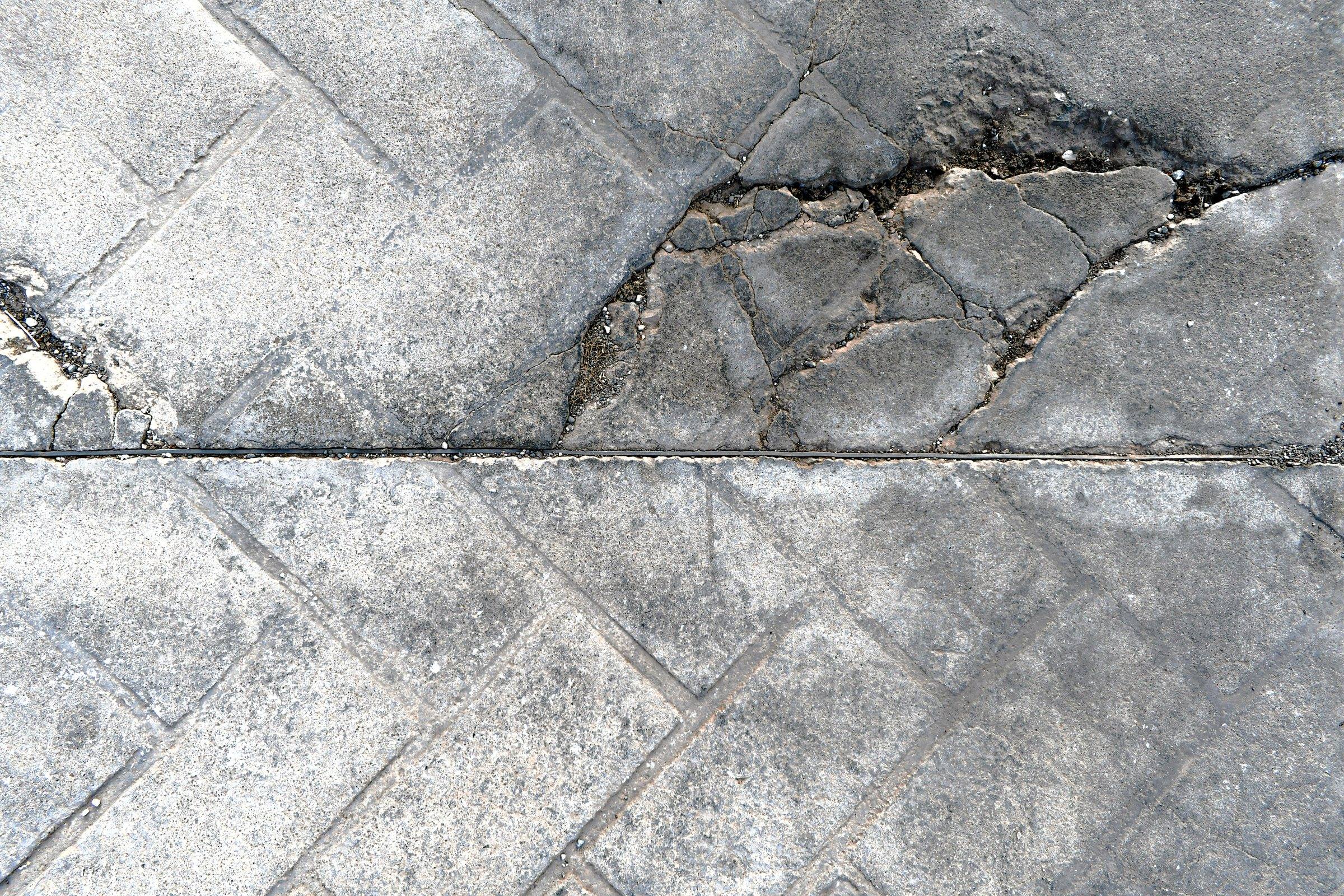
Out with the failing concrete, fix what caused it, and pour a slab that starts fresh.
Level, safe walking surfaces with flush joints, smart drainage and transitions without lips.
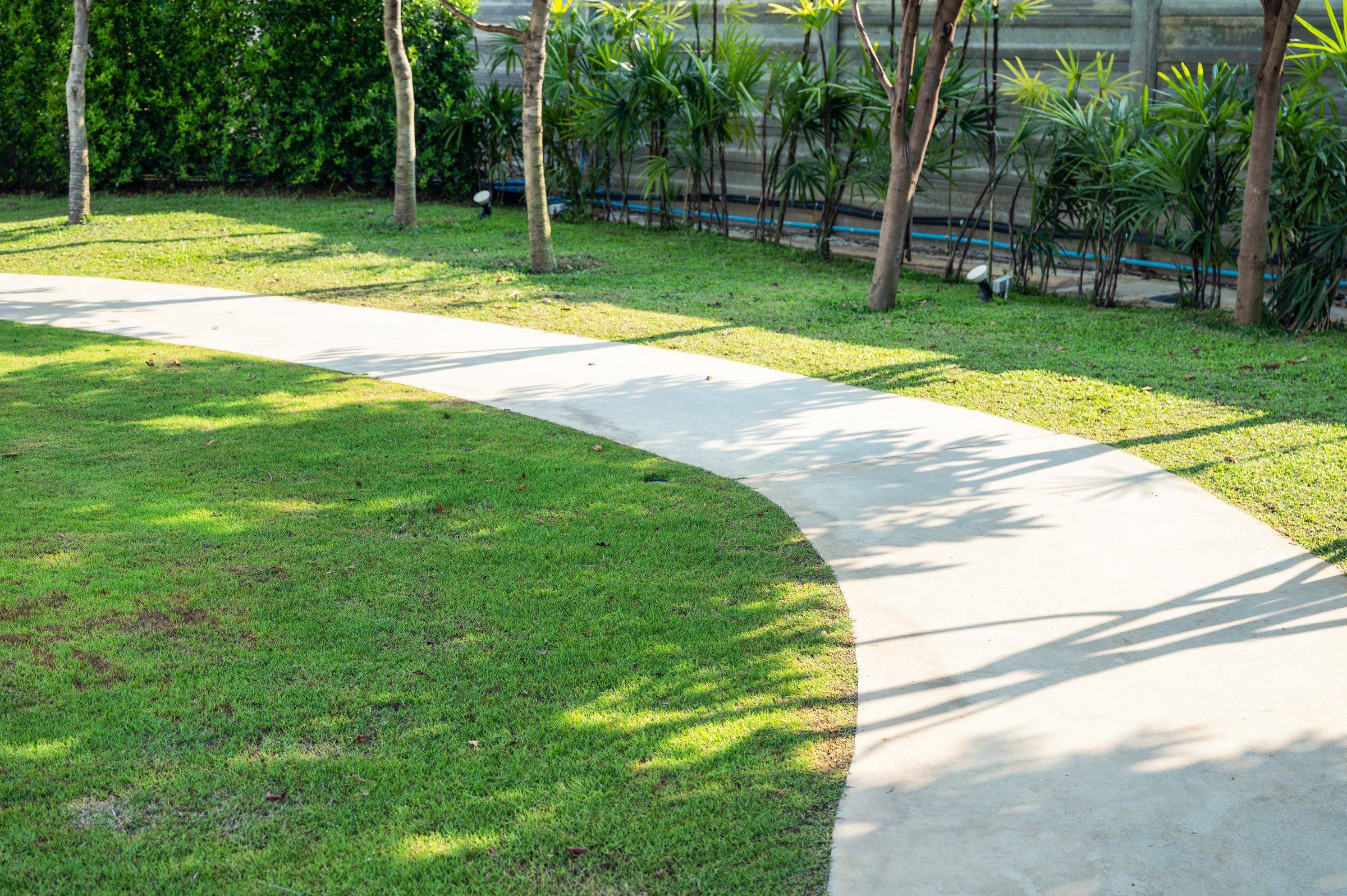
Entry walks, garden paths and routes to the garage — with steps and landings where the yard slopes.
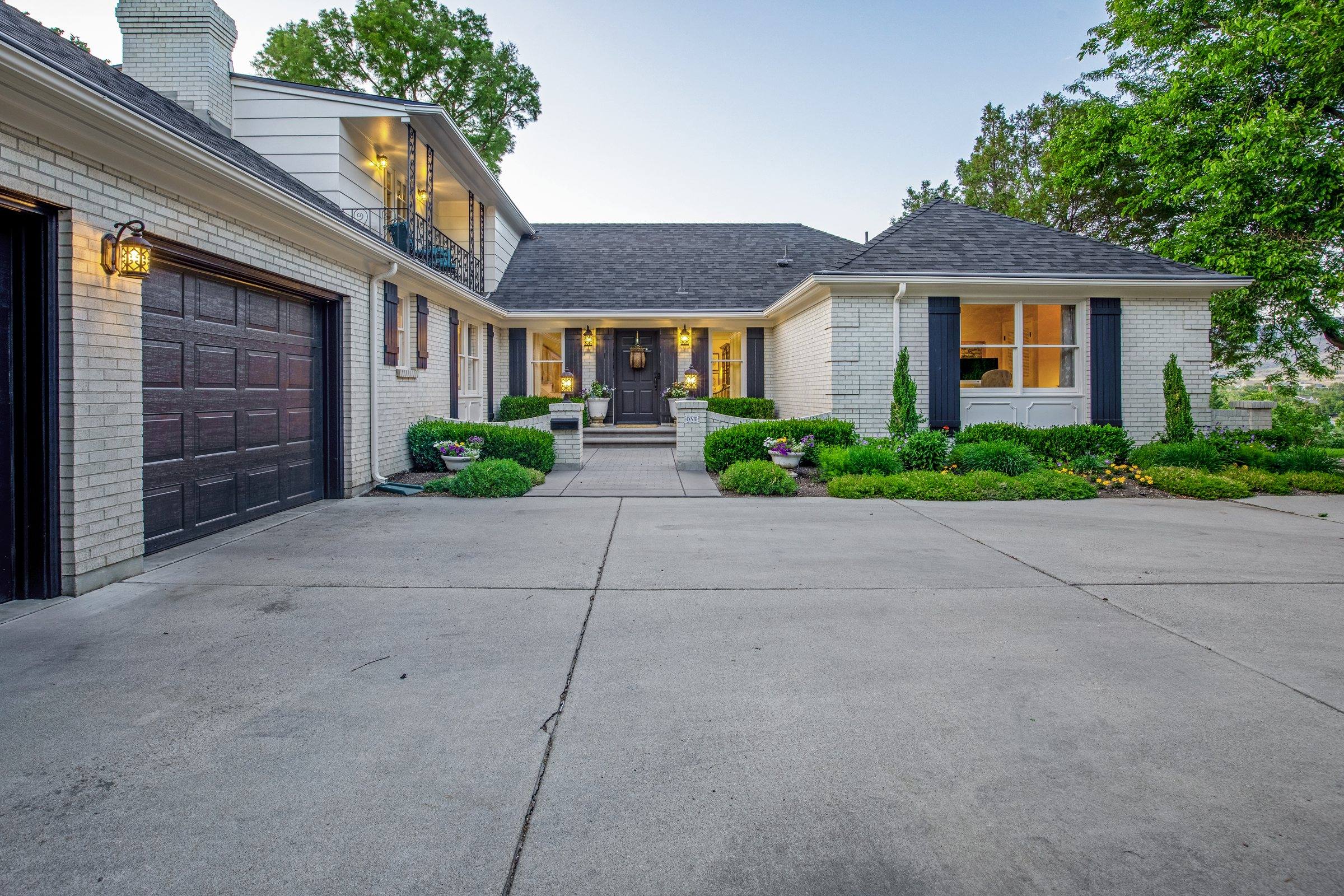
Driveways for every kind of Tosa home, from tight runs to a detached garage to wide two-car approaches.
Free estimates · Wauwatosa
Send a short description and a few photos of your concrete repair project. We’ll follow up, visit, and put the scope in writing.