Lifted panels
Tree roots and frost push one panel above the next and create a trip edge.
Sidewalks · Wauwatosa
In a walkable city like Wauwatosa, sidewalks get used constantly — dog walks, strollers, kids heading to school, neighbors stopping to chat. When a panel lifts or a corner breaks off, it doesn’t take long for someone to catch a toe.
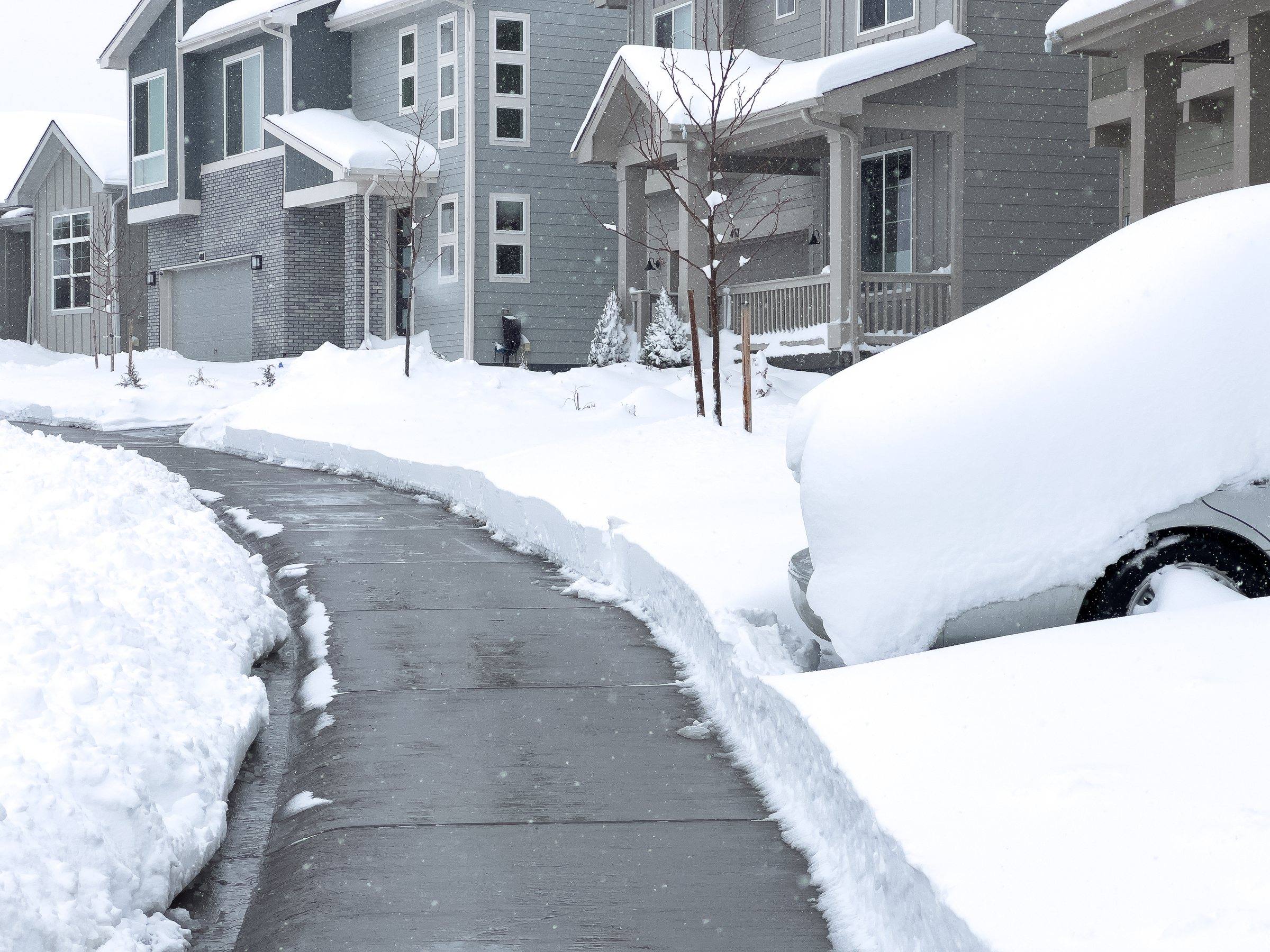
Wauwatosa Elite Concrete installs new sidewalks and replaces damaged panels for homes and properties around Wauwatosa. The focus is on flat joints, surfaces that drain, and smooth transitions to driveways, steps and doors.
Most sidewalk failures come from below. A thin or poorly compacted base lets panels settle unevenly, and wet soil underneath heaves when it freezes. A firm, well-drained base is the most important part of the job.
At the surface, joint spacing and depth control where the inevitable shrinkage cracks appear. A modest cross-slope moves rain and meltwater off the walk instead of letting it collect and freeze.
Where a sidewalk is part of the public right-of-way, the City of Wauwatosa may set requirements for width, thickness and permits. We’ll help you figure out what applies before work is scheduled.
Common situations
These are the most common reasons people call about a sidewalk.
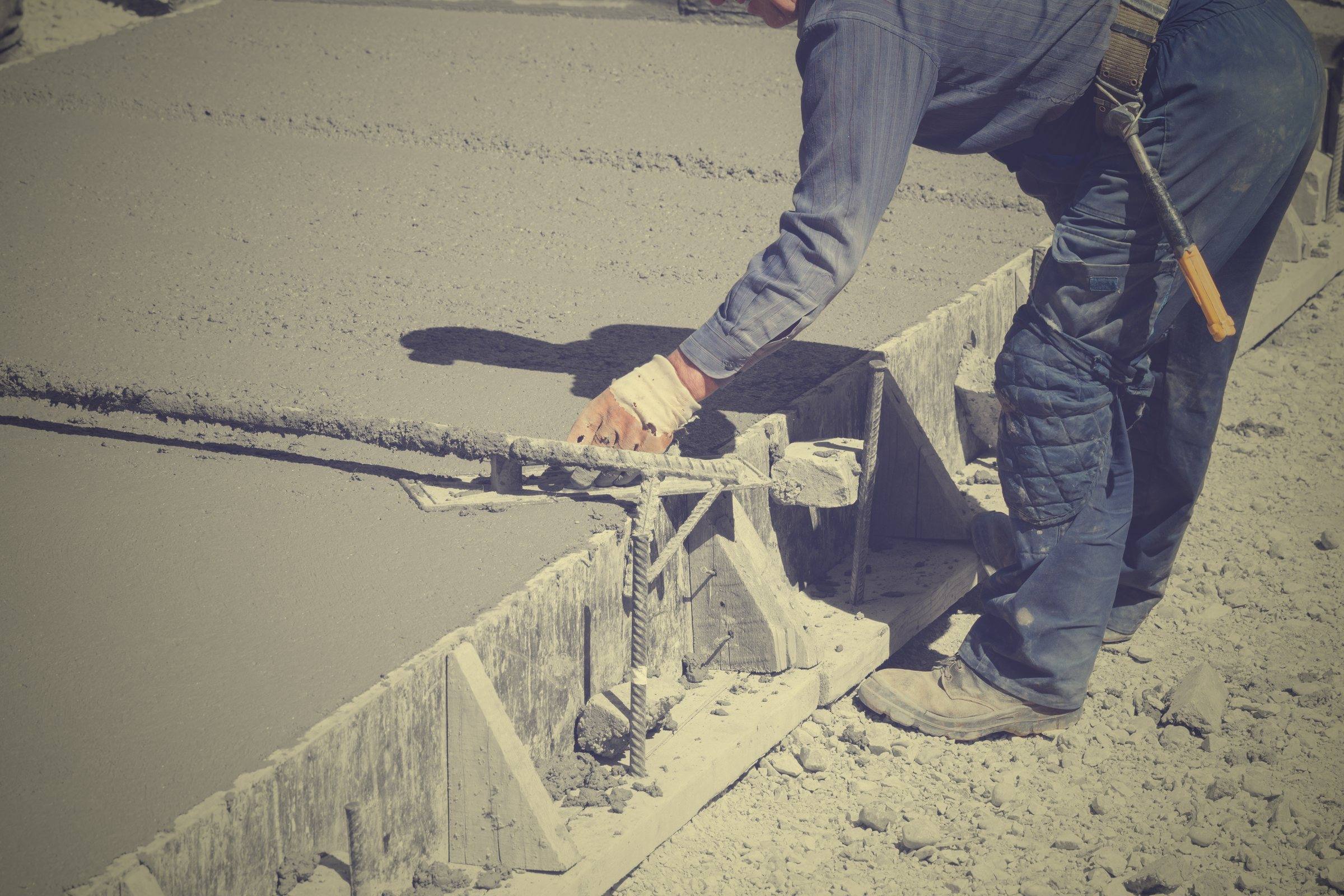
Tree roots and frost push one panel above the next and create a trip edge.
Settled sections that hold water and turn to ice.
Salt and freeze–thaw damage that leaves the walk rough and uneven.
Random cracking from joints that are too far apart or a base that gave way.
A worn dirt track where people walk because no sidewalk exists.
The process
The steps are straightforward; doing each one carefully is what makes the difference.
We lay out the route and set elevations to meet adjoining surfaces flush.
Old panels are cut at the joints and taken out.
Roots, soft spots and voids are dealt with before new base goes in.
Stone base gets packed tight and the form boards go in dead straight, tipped slightly so water runs off.
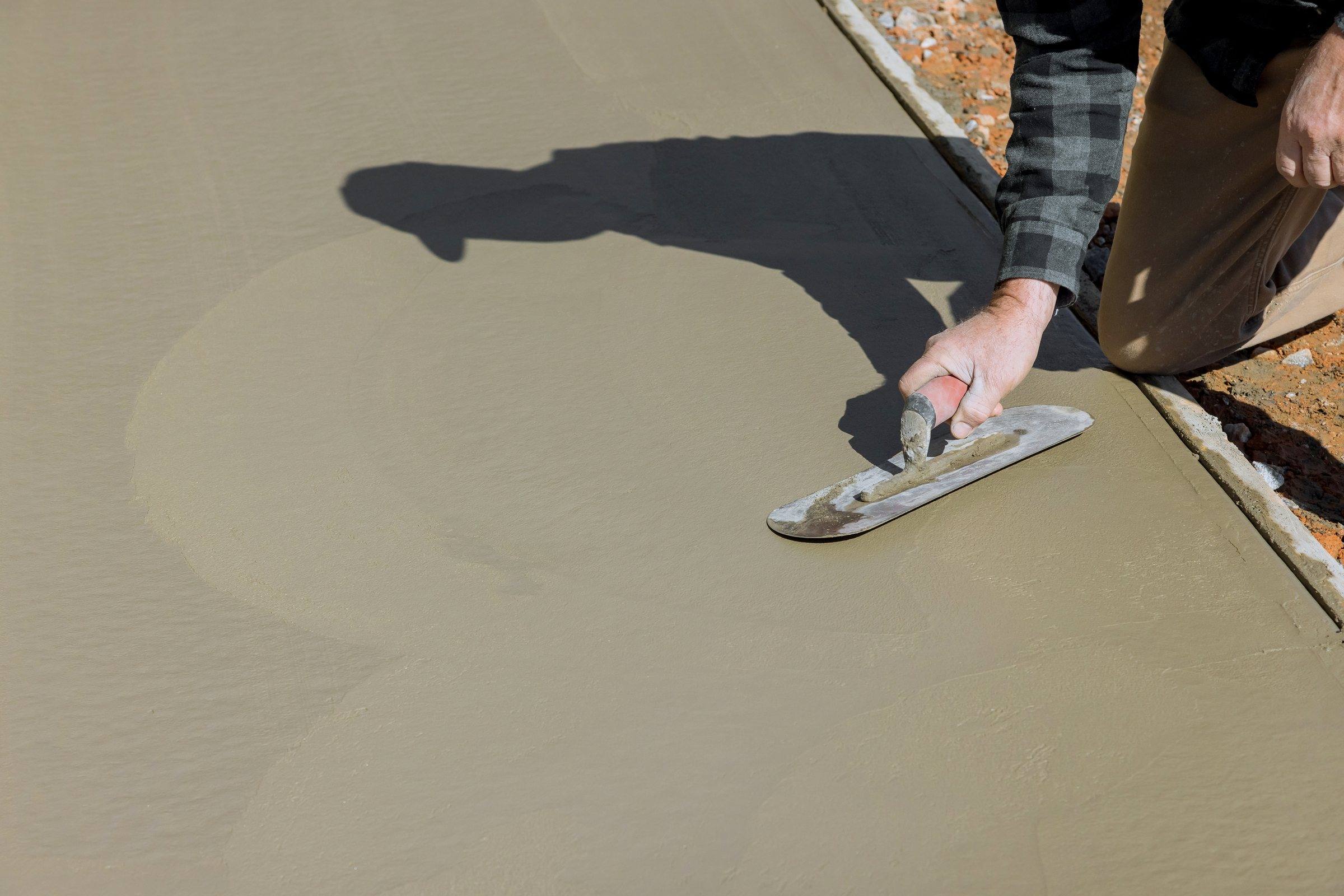
We pour, round the edges with a hand tool and drag a broom across for grip.
Joints go in every few feet, the new walk cures, and we pull soil back against both sides.
Materials & finishes
A few choices tailor a sidewalk to your property.
Texture across the walk gives the best grip in wet and snowy weather.
Traditional crisp lines that also help prevent chipping.
A wider entry walk for two people side by side, strollers or wheelchairs.
A smooth or stamped edge can dress up a front walk while keeping the surface safe.
Benefits
Level joints and solid support mean fewer edges to catch toes.
Proper drainage leaves fewer frozen puddles to salt.
Smooth transitions help visitors with strollers, carts and wheelchairs.
A straight, even walk tidies up the whole front of the property.
Residential
Front walks, the stretch from driveway to door, side-yard runs and one-off panel swaps.
Commercial
Sidewalk sections at small commercial and multifamily properties, reviewed during a site visit.
Before & after
Slide to compare. Illustrative only — real project photos will replace this.
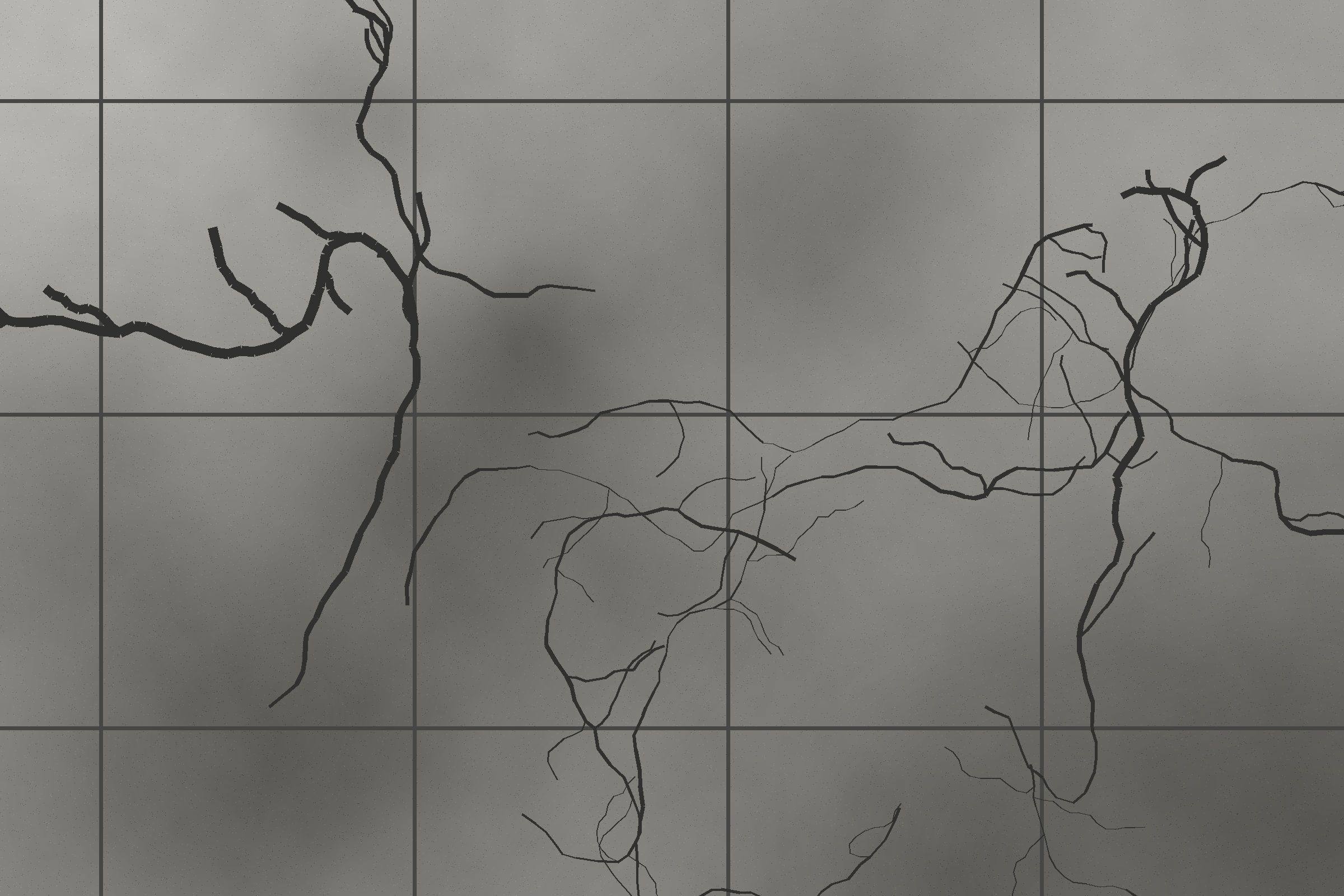

Illustration only — not a photo of a Wauwatosa Elite Concrete project. Genuine project photos will replace it.
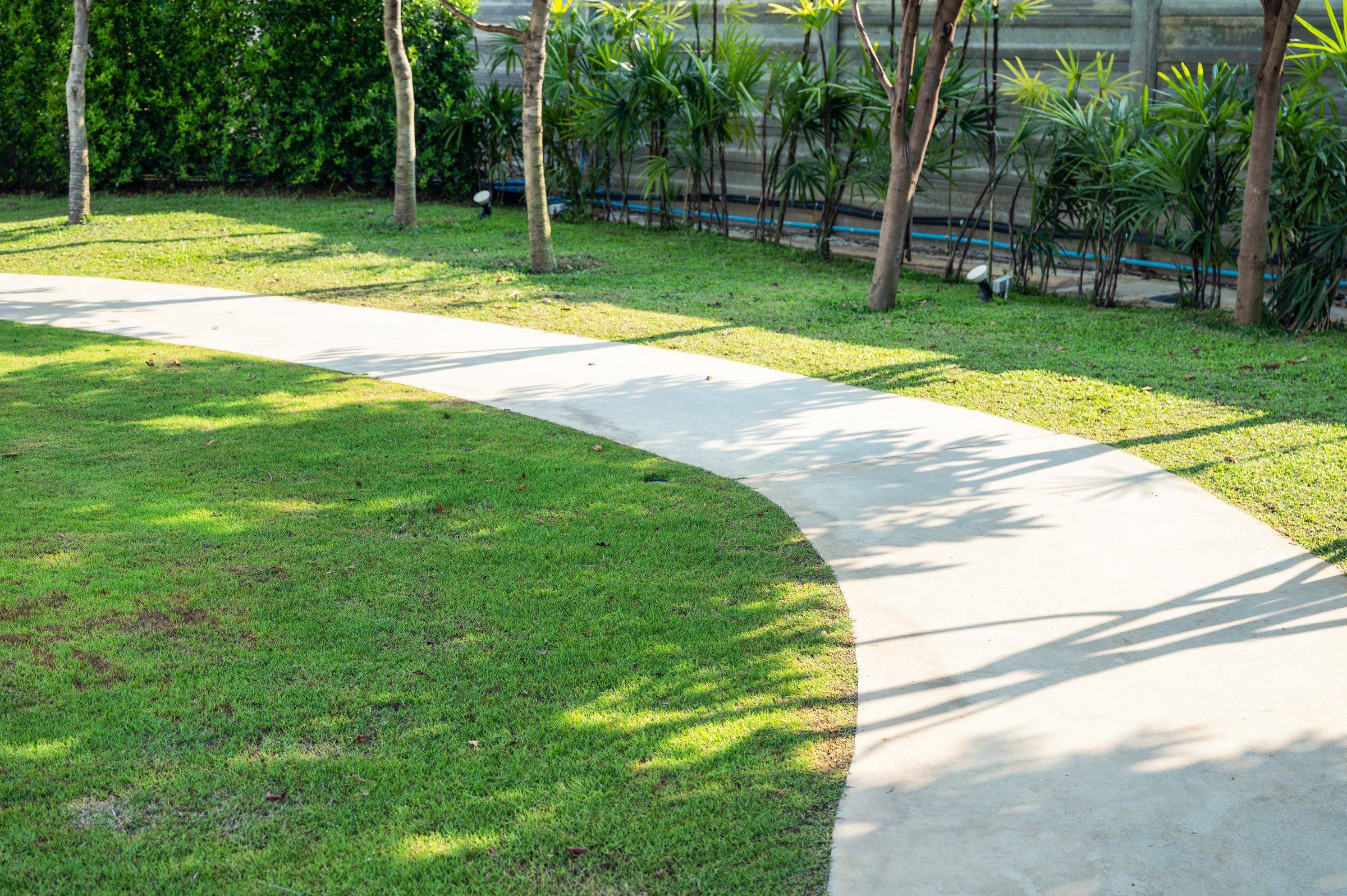
Wauwatosa, WI
Snow shovels, ice melt and freeze–thaw cycles all take a toll on sidewalks here. A well-drained base reduces frost heave, and a properly finished and cured surface stands up better to salt.
Tree-lined streets are one of Wauwatosa’s best features, but roots are a frequent cause of lifted panels. Where roots are involved, we’ll talk about options to reduce the chance of the same problem coming back.
FAQ
Yes. We can saw out just the bad squares along their joints and pour new ones. If the base is failing along the whole run, full replacement may be the better long-term choice.
The city decides who maintains the walk along the street and runs any repair programs for it. Check with the city about your situation; we can help you know what to ask.
Three to four feet is common. Four feet or more is noticeably more comfortable for two people walking together.
Those fine grooves are there on purpose: they give shoes something to grip. Smooth concrete can be slippery when it’s wet or icy.
Entry walks, garden paths and routes to the garage — with steps and landings where the yard slopes.
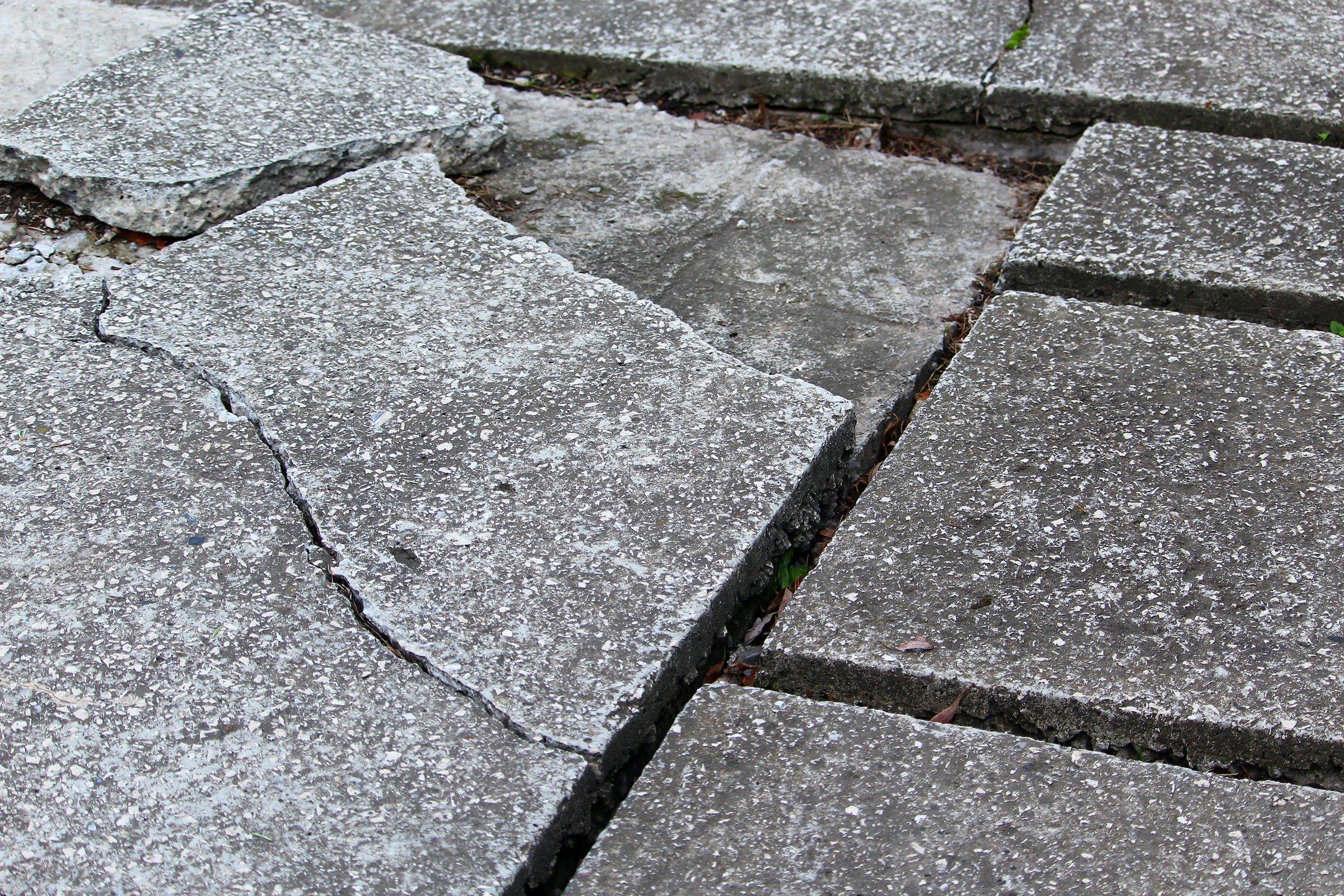
Repairs for cracks, flaking surfaces and broken steps — after an honest look at the cause.
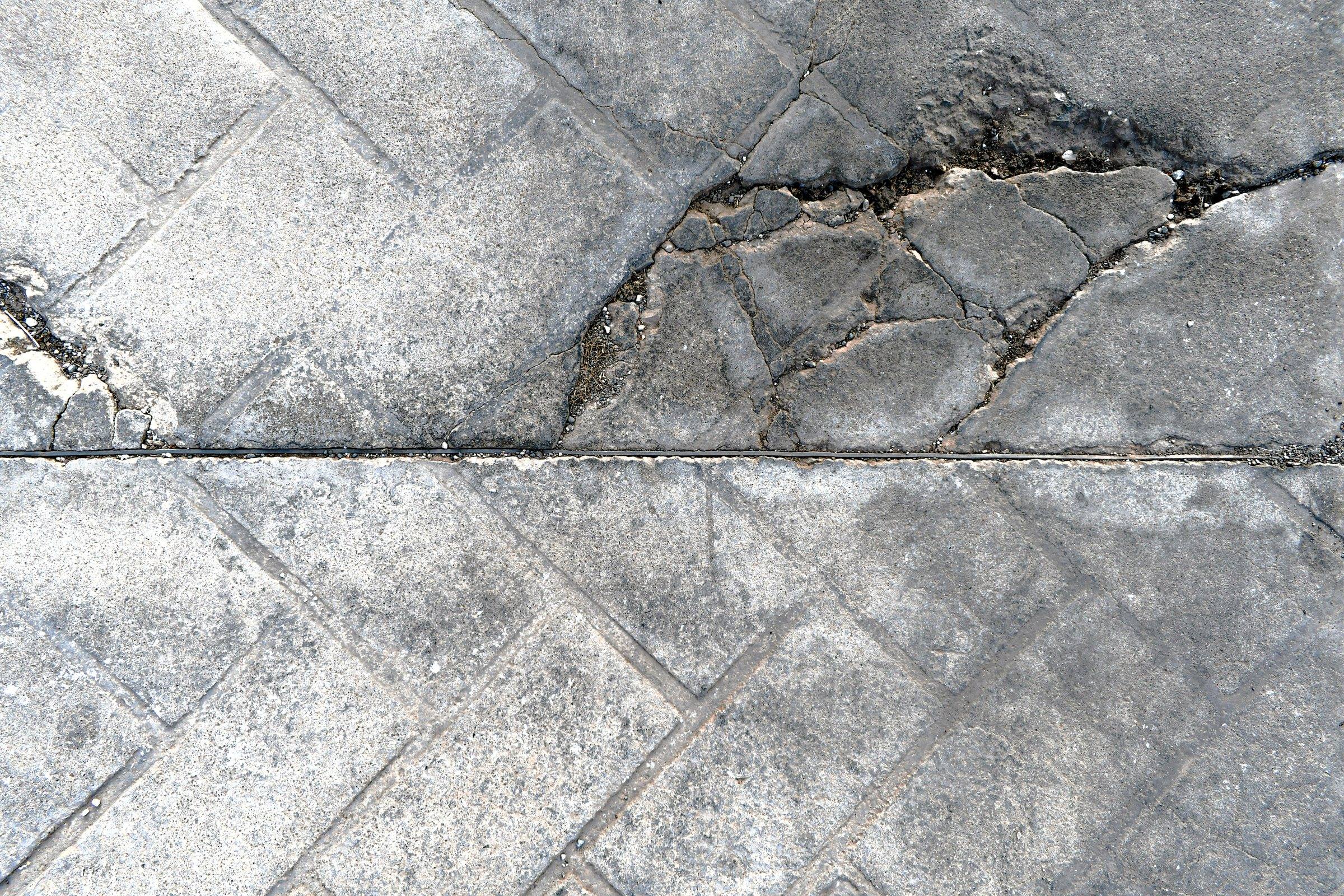
Out with the failing concrete, fix what caused it, and pour a slab that starts fresh.
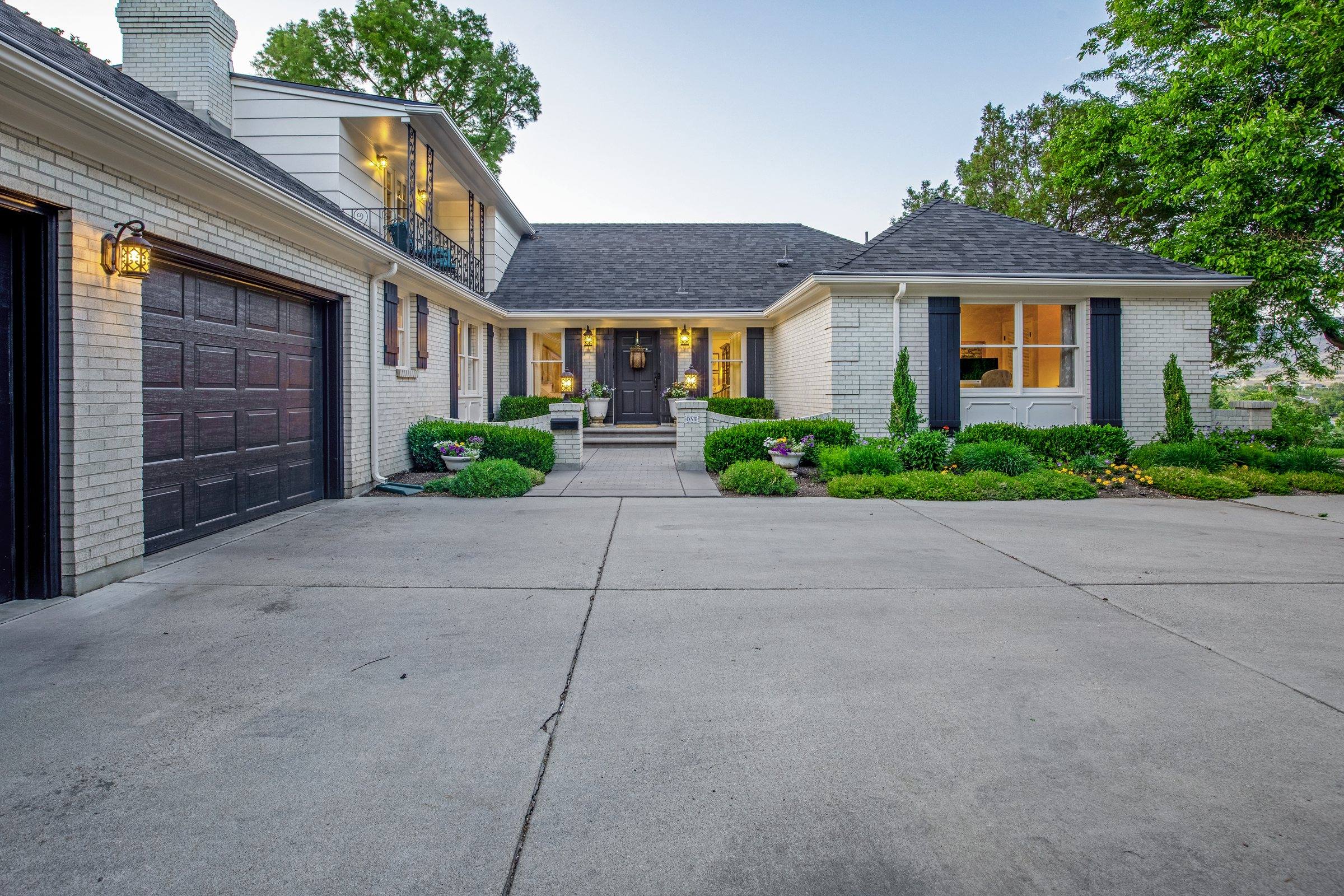
Driveways for every kind of Tosa home, from tight runs to a detached garage to wide two-car approaches.
Free estimates · Wauwatosa
Send a short description and a few photos of your concrete sidewalks project. We’ll follow up, visit, and put the scope in writing.